For a healthy Holland Lop diet, provide unlimited hay, fresh vegetables, limited pellets, and occasional treats. This guide covers healthy adults; young, pregnant, underweight or ill rabbits need an individual feeding plan from a rabbit-experienced vet. Holland Lops do not need a separate breed-specific diet.
Key Takeaways
-
Keep fresh grass hay available continuously as the main food. Diet supports gut and dental health but cannot guarantee prevention of illness.
-
Fresh vegetables are vital for providing additional nutrients; introduce them gradually to avoid digestive problems.
-
Offer a small measured portion of plain rabbit pellets alongside suitable leafy greens. Fruit is optional and should be a very small occasional treat.
The Importance of Hay in a Holland Lop’s Diet

Hay is the cornerstone of a Holland Lop’s diet, providing fibre that supports normal gut movement and chewing. A good diet cannot rule out gut stasis or a blockage. Grass hay provides fibre that supports normal digestion. Gastrointestinal stasis (GI stasis) is a potentially life-threatening slowdown of the gut; reduced eating or droppings requires urgent veterinary advice, even in a rabbit fed plenty of hay.
Holland Lop rabbits need constant access to fresh grass hay. Reduced eating or fewer droppings needs prompt veterinary advice, rather than a home remedy for a presumed hairball. Chewing hay supports normal tooth wear, but dental disease can still develop and requires veterinary assessment. Introducing hay to baby bunnies early fosters healthy eating habits.
Different types of hay serve various purposes. Timothy hay is ideal for adult rabbits due to its balanced nutritional profile. Alfalfa hay, rich in calcium and protein, suits young bunnies but should be limited for adults to prevent obesity and urinary issues. Other grass hays, like orchard grass and oat hay, add variety to your bunny’s diet. Timothy is one suitable grass hay; other good-quality grass hays can also be appropriate. Choose hay your rabbit actually eats.
RSPCA describes an adult diet of roughly 85% hay or grass, 10% leafy greens and 5% pellets. These are broad proportions, not a reason to ration hay. Unlimited amounts of hay should make up 80-85% of a Holland Lop’s diet to support their overall health.
Fresh Vegetables for Nutrient Variety
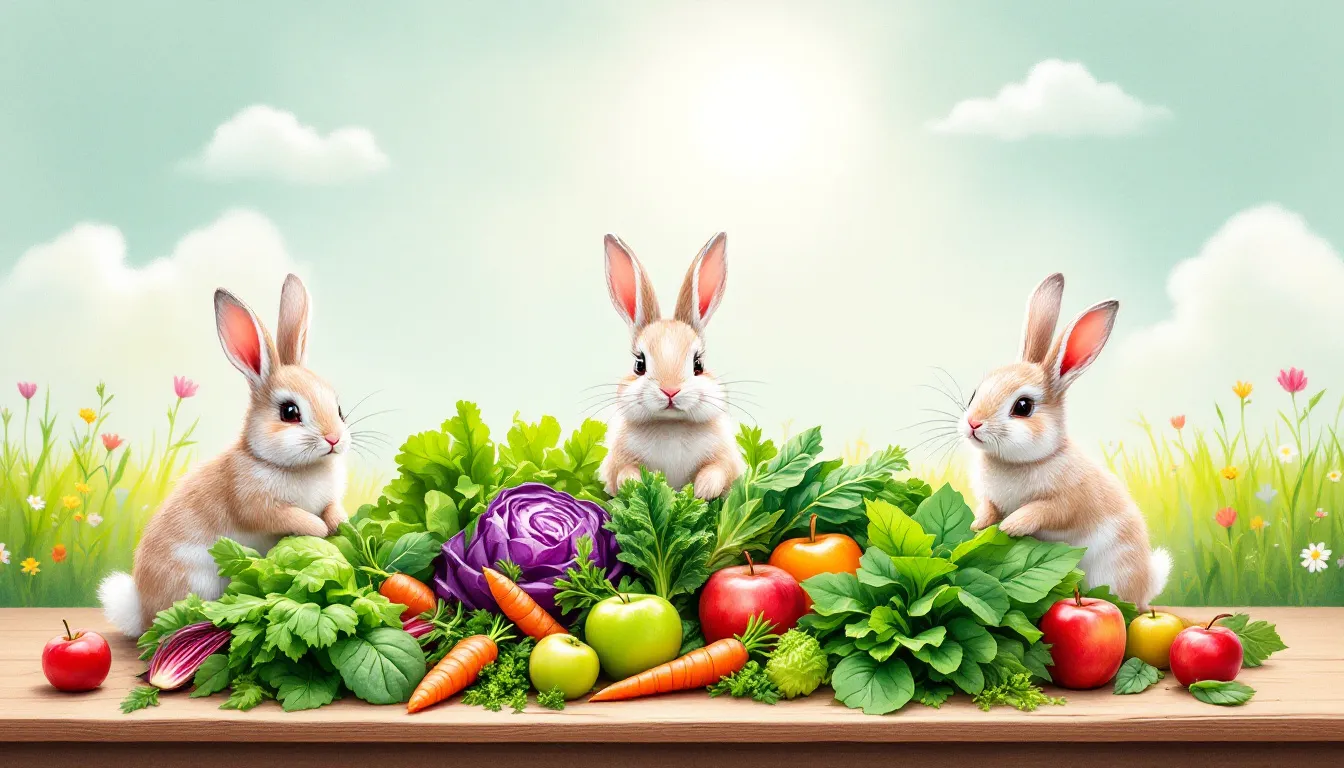
While hay forms the bulk of a Holland Lop’s diet, fresh vegetables are crucial for providing nutrients that hay alone cannot offer. Leafy greens like romaine lettuce, bok choy, collard greens, and leaf lettuce are rich in vitamins and minerals, supporting a healthy immune system and proper organ function. The timing and amount of greens for a young rabbit should reflect its existing diet and your vet’s advice.
Gradually introduce a variety of leafy greens to avoid digestive issues. Start with one type and monitor your bunny’s reaction. If tolerated well, slowly increase the variety. Rotate suitable greens rather than feeding a large amount of one kind. RWAF includes kale among safe greens for healthy rabbits in moderation; do not treat it as equivalent to spinach. Introduce greens gradually to avoid digestive upset in rabbits.
Use a varied, modest portion of washed leafy greens that your rabbit already tolerates. Confirm quantities with your vet using body weight, condition, age and the rest of the diet; a cup measure alone is not an individual feeding plan.
A varied selection of tolerated leafy greens can make mealtimes more interesting. Continue to watch appetite and droppings when changing foods.
Limited Use of Pellets
Pellets should be a small, measured supplement to a hay-based diet, rather than a freely topped-up bowl. A modest portion of high-quality, timothy-based pellets is recommended for adult bunnies, with a high fibre content. Follow the product feeding guidance and an individual veterinary plan. Choose uniform rabbit pellets or nuggets rather than a muesli mixture containing loose seeds, nuts and coloured pieces. Grain ingredients alone do not establish whether a complete pellet is suitable. Lop bunnies should be monitored closely to ensure they maintain a healthy weight.
There is no single cup allowance that suits every adult Holland Lop. Use the pellet label and your vet’s advice to set a measured daily allowance, adjusting for weight, body condition, health and hay intake. Overfeeding pellets can lead to selective feeding, causing an imbalanced diet and health problems.
Offer unlimited fresh hay daily. See our guide to choosing grass hay and daily hay guide for practical details. Pellets can supplement but should never replace hay and fresh vegetables. Carefully measuring and limiting pellet intake helps maintain your Holland Lop’s health and prevent overfeeding.
Treats and Fruits: A Special Occasion
Treats and fruits can be a delightful addition to your Holland Lop’s diet, but should be given in moderation. Fruits like strawberries and blueberries are tasty and packed with beneficial antioxidants. However, their high sugar content can lead to overweight rabbits and related health issues. Fruits should only be given in moderation due to their high sugar content.
Offer fruits only once or twice per week as an occasional reward. Overfeeding fruit can disrupt digestive health, leading to gastrointestinal issues. Use fruits like bananas and grapes sparingly due to their high sugar content. A rabbit that stops eating needs prompt veterinary attention; do not withhold its normal hay as a dietary experiment.
Treat fruits as special sweet treats rather than regular diet components to keep your Holland Lop healthy and happy.
Safe and Unsafe Foods for Holland Lops

Knowing which foods are safe and which are not is crucial for maintaining a healthy diet for your Holland Lop. Suitable leafy greens and herbs can add nutrients and variety, but safety depends on the plant, portion and the individual rabbit. Introduce changes gradually. However, some seemingly harmless foods can be dangerous or even fatal to rabbits.
Prepare fruits without seeds, as some seeds, like those in apples, are harmful to rabbits. Carrot root is sugary and should only be a small occasional treat, rather than a daily staple. Carrot tops are leafy greens and are different from the root. Avoid feeding rabbits human foods such as chocolate and bread, as these can disrupt their delicate digestive systems and cause severe health issues.
Processed human foods can also disrupt the delicate digestive balance of Holland Lops. Base the diet on grass hay, suitable leafy greens and a small measured pellet portion; sugary roots and fruit are optional treats. Understanding what a Holland Lop rabbit can and cannot eat helps keep your rabbit happy and healthy. Holland Lops should not eat processed human foods due to their delicate digestive systems.
Special Dietary Needs

Holland Lop rabbits have different dietary needs at various life stages. Young rabbits need a growth-appropriate plan and careful food introductions; do not apply adult portions or use fruit as a staple. They require a different nutritional balance compared to older rabbits.
Nursing or underweight rabbits may need larger quantities of pellets to gain weight and meet nutritional needs. Consult a rabbit-savvy vet for any diet adjustments to ensure your bunny receives a proper diet tailored to their needs.
Understanding and catering to these special dietary needs is crucial for maintaining your Holland Lop’s health and well-being.
Hydration Essentials
Hydration is vital for a Holland Lop’s diet. Rabbits need consistent access to fresh water to stay healthy and hydrated. Offer fresh plain water in a heavy, clean bowl; many rabbits prefer bowls. A bottle can be an additional source, but check that it works and that your rabbit drinks enough. Regularly clean and change the water to prevent contamination and ensure your bunny always has access to fresh water.
Water supports normal body function, but does not guarantee prevention of gut stasis or urinary disease. Use plain drinking water. Do not add vinegar, supplements or medicines unless your vet directs you. Seek veterinary advice about a change in drinking, appetite or urination.
Monitoring Digestive Health
Daily observation can help you notice a problem early; it cannot prevent every illness. Normal faecal pellets are firm and rounded, but their size and colour vary with the rabbit and its food. Regularly observing your bunny’s stool helps detect early signs of digestive distress and address potential issues promptly.
Changes in appetite or stool production can indicate digestive health problems. Diarrhoea and repeatedly uneaten soft caecotrophs need prompt veterinary advice. Do not assume watery vegetables are the cause or wait for a food change to resolve it. Fur may be visible in droppings, but reduced appetite or pellet output needs urgent assessment; grooming is not treatment for a gut problem.
Colour alone does not diagnose dehydration. Compare droppings with your rabbit’s normal pattern and seek advice about a change in size, number or consistency. Hydration maintains a healthy digestive system, helping food move smoothly through the gut. Regular veterinary check-ups identify underlying health issues that may affect your rabbit’s digestion.
Closely monitoring your rabbit’s digestive health can help you notice changes early; contact a rabbit-experienced vet about reduced eating or droppings.
Summary
In conclusion, providing a balanced diet for your Holland Lop is essential for their health and happiness. From the foundational importance of unlimited hay to the variety of fresh vegetables and the limited use of pellets, each component plays a crucial role in maintaining your bunny’s wellbeing. Treats and fruits should be given sparingly, and it’s vital to be aware of safe and unsafe foods to avoid potential health risks.
Hydration and monitoring digestive health are equally important in ensuring your Holland Lop stays healthy. By following these guidelines and consulting with a rabbit-savvy vet for any dietary adjustments, you can provide the best care for your beloved bunny. If appetite or droppings decrease, read our rabbit not eating warning signs and contact a vet urgently. Sources: RSPCA diet advice; PDSA feeding guidance; RWAF greens; RWAF gut slowdown; PDSA diarrhoea advice.
Frequently Asked Questions
How much hay should I provide my Holland Lop daily?
Holland Lops need constant access to fresh grass hay; this supports gut health and tooth wear but does not rule out illness. Check that your rabbit is eating its hay and producing its usual droppings; food availability alone does not rule out a health problem.
Can I feed my Holland Lop any type of vegetable?
Offer suitable washed leafy greens in a varied rotation. Carrot tops can be greens; carrot root is only an occasional sugary treat. Always introduce new vegetables gradually to ensure their safety.
How often can I give my Holland Lop fruit?
You can give your Holland Lop fruit once or twice a week as an occasional treat due to its high sugar content. Moderation is key to maintaining their health.
What are some common signs of digestive issues in Holland Lops?
Common signs of digestive issues in Holland Lops include changes in appetite, abnormal stool consistency, such as wet, runny, or dark-colored stool, and decreased stool production. Contact a rabbit-experienced vet promptly for diarrhoea. Not eating, fewer or no droppings, or signs of pain require urgent advice; do not wait for the next routine check-up.
Should I provide water in a bowl or a bottle for my Holland Lop?
A heavy, clean water bowl is a good starting point, and many rabbits prefer it. If you also offer a bottle, check its flow daily. This ensures they stay well-hydrated and healthy. Water must remain continuously available; choose equipment your rabbit can reliably use.