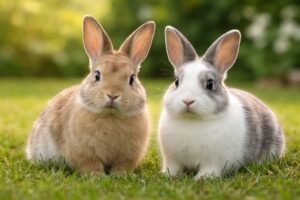
If your rabbit isn’t eating, quick action is essential. In this article, we cover how to get rabbits to eat again. Learn why they might have stopped, how to address health issues, and ways to make their environment stress-free to encourage eating.
Key Takeaways
-
Sudden loss of appetite in rabbits can lead to serious health risks; immediate veterinary consultation is crucial.
-
Environmental factors, dental health, and stress can significantly impact a rabbit’s eating habits and overall health.
-
Offer the rabbit’s usual hay, plain fresh water, and familiar leafy greens while arranging veterinary advice; assisted feeding should begin only after a rabbit-savvy veterinarian has assessed the rabbit and provided instructions.
Recognizing the Problem: Why Your Rabbit Stopped Eating

When a rabbit stops eating, it’s a significant concern. A rabbit can face a life-threatening condition within a day of not eating, making immediate veterinary consultation vital. Prompt action is needed as a rabbit’s health can decline rapidly without proper nutrition.
Common reasons for a rabbit to stop eating include the most common reason:
-
Dental issues
-
Gastrointestinal stasis (GI stasis) is a condition where intestinal contractions stop, leading to a loss of appetite. Gastrointestinal stasis is a serious condition in rabbits that can lead to death if left untreated.
-
Stress
-
Other health problems, such as dental disease, organ failure, and infections
Observing your rabbit’s behavior and eating patterns early on is crucial for recognizing these issues.
A clear sign of a rabbit losing its appetite is untouched food. A new environment can reduce appetite, but do not wait 24–48 hours if your rabbit stops eating. Contact a rabbit-savvy veterinarian promptly, especially if droppings are smaller, fewer, or absent, or if your rabbit seems painful, bloated, weak, or unusually quiet.
Assessing Your Rabbit’s Environment
A rabbit’s environment significantly affects its health and eating habits. New pets, loud noises, or temperature changes can cause a pet rabbit to lose its appetite. A quiet and familiar environment helps reduce stress and encourages normal rabbit eating habits, just like it does for bunnies.
Observing your rabbit’s behavior gives insights into their comfort levels. Hiding or unusual aggression can indicate environmental stress. A stable and consistent living situation helps keep your rabbit relaxed and more likely to eat.
Key recommendations for maintaining your rabbit’s health include:
-
Providing unlimited access to Timothy hay or other grass hay which is vital for dental and digestive health. Rabbits require constant access to high-fiber hay to maintain proper digestive health and appetite.
-
Offering fresh, pesticide-free vegetables in moderation.
-
Ensuring a stress-free environment with a comfortable living space and a consistent routine to maintain health and appetite.
What You Can Offer While Calling the Vet
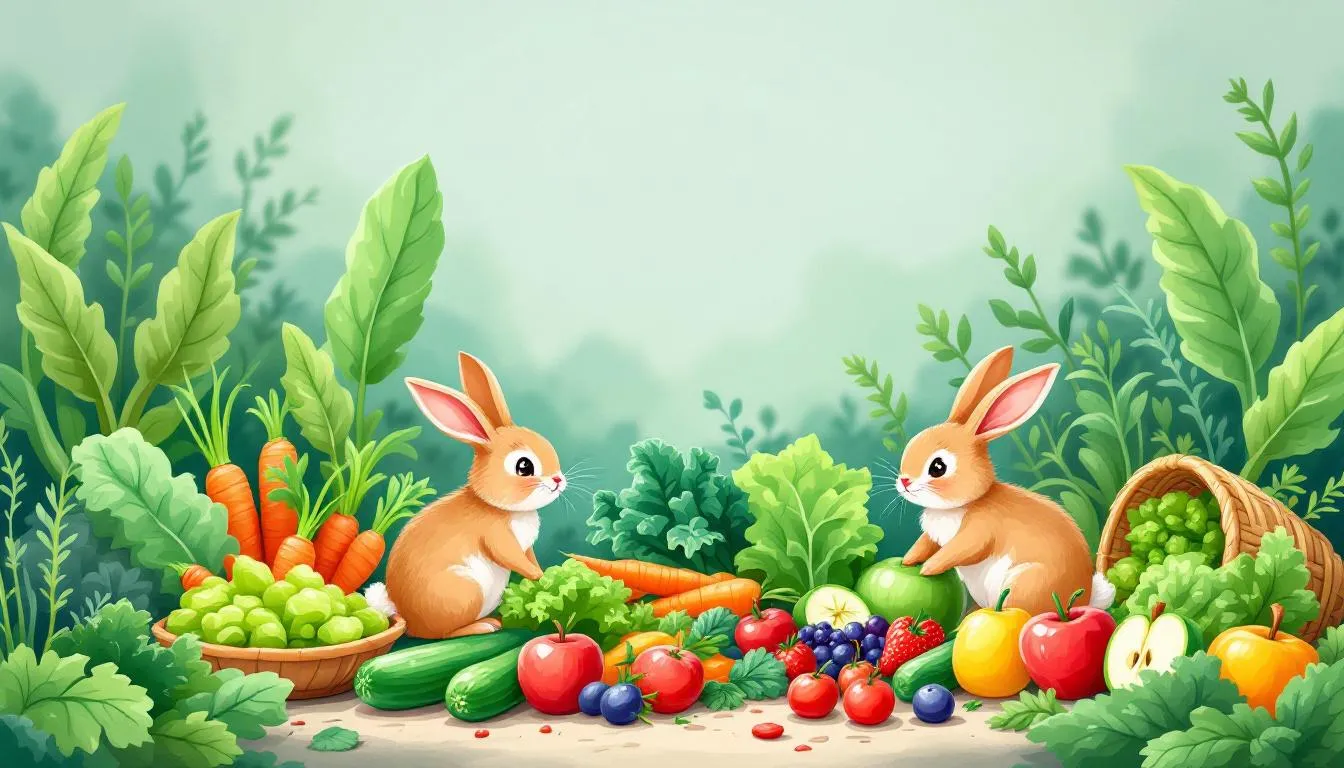
While contacting a rabbit-savvy veterinarian, offer your rabbit its usual hay, plain fresh water, and familiar leafy greens. Note what the rabbit accepts and whether chewing looks painful, but do not use eating a treat as proof that the problem has passed.
Do not rely on fruit or sugary treats to manage appetite loss. A rabbit that eats only a favorite treat, eats less than usual, or produces fewer droppings still needs prompt veterinary advice.
Do not treat fruit as a remedy for appetite loss. Eating only a favorite treat still warrants veterinary advice.
Continue offering the rabbit’s usual hay, plain water, and familiar greens while you contact the veterinarian. Do not introduce new foods or use treats to delay assessment.
Checking for Dental Issues
Dental issues often cause rabbits to stop eating. Overgrown or abscessed teeth can cause pain and make it difficult for your rabbit to chew. Rabbits’ teeth continuously grow throughout their lives, requiring regular wear down from their diet. Signs of dental problems include:
-
Overgrown incisors
-
Drooling
-
Mouth sores
-
An underbite can also indicate potential dental issues.
To inspect your rabbit’s incisor teeth and gums:
-
Gently part your rabbit’s lips.
-
Check for dental malocclusion, where teeth don’t meet correctly, as this can cause discomfort and lead to a refusal to eat. To check a rabbit’s dental health, gently part its lips to examine the alignment of the incisors.
-
Seek veterinary attention promptly if you notice any abnormalities.
Regular dental check-ups help prevent issues that can lead to appetite loss. If dental problems are detected, trimming or removing the teeth may be necessary. Monitoring your rabbit’s dental health ensures it maintains a healthy appetite. If a rabbit has malocclusion, it may require regular tooth trimming or even tooth removal by a vet.
Hydration and Extra Fluids

Hydration is as important as nutrition for your rabbit’s health. To ensure your rabbit stays hydrated and receives extra hydration:
-
Make sure your rabbit has access to fresh drinking water.
-
Check the water bottle regularly to ensure it’s not blocked, preventing your rabbit from drinking.
-
Offer a fresh bowl of water, which can effectively help a dehydrated rabbit.
Offer plain, fresh water in a clean bowl and check that any bottle works. Do not add juice or try to treat dehydration at home; a rabbit that is not drinking or eating may need prompt veterinary assessment and professionally administered fluids.
Seek veterinary assistance if your rabbit avoids drinking to explore other hydration methods like IV fluids.
Assisted Feeding: Veterinary Guidance Only
Do not begin syringe feeding simply because your rabbit has stopped eating. A veterinarian should first assess the rabbit and rule out an obstruction or another condition in which feeding could be unsafe. Assisted feeding should follow a rabbit-savvy veterinarian’s diagnosis and instructions.
If assisted feeding is prescribed, use only the product, amount, and technique recommended for your rabbit by the veterinarian.
Products for Syringe Feeding
Brands like Oxbow, Supreme, and Burgess offer specialized foods for syringe feeding rabbits. These products provide the necessary nutrients for a rabbit unable to eat on its own.
If assisted feeding is prescribed, ask the veterinarian which recovery food and equipment to use. No product guarantees appetite recovery, and technique should be demonstrated for your rabbit.
Why Veterinary Guidance Comes First
If a veterinarian prescribes assisted feeding, ask for a demonstration and written instructions. Positioning, product choice, volume, and frequency depend on the rabbit’s condition, and incorrect technique can cause aspiration.
Follow the veterinarian’s instructions exactly and stop immediately if the rabbit cannot swallow, struggles excessively, or develops breathing difficulty.
Do not improvise a syringe-feeding volume or schedule from a web article. The veterinarian should tailor the plan and confirm that assisted feeding is appropriate.
Syringe feeding can cause aspiration or worsen an obstruction when used inappropriately. Follow veterinary instructions and stop if the rabbit struggles, cannot swallow, or develops breathing difficulty.
Veterinary Attention
Knowing when to seek veterinary attention is crucial. Immediate veterinary care is needed if your rabbit shows symptoms like itching or scratching:
-
labored breathing
-
seizures
-
Unresponsiveness Gastrointestinal stasis (GI stasis) can become serious without early treatment, so timely veterinary intervention is essential.
A veterinarian may use fluids, pain relief, diagnostic imaging, or other treatment depending on the cause. Do not wait half a day and then self-treat: contact a rabbit-savvy veterinarian promptly when a rabbit stops eating, and do not give recovery food or motility medication unless the veterinarian advises it after assessment.
The vet might recommend the following to diagnose the problem, as suggested by vets:
-
Dental examinations
-
Blood tests
-
Urine tests
-
Fecal tests
-
X-rays
Always contact your vet for guidance, even when trying home remedies, to ensure your rabbit receives the best treatment from only a vet.
Preventing Future Appetite Loss
Maintaining a good diet and regular health check-ups prevents future appetite loss. Providing unlimited grass hay, including orchard grass, and leafy greens prevents digestive problems. A rabbit’s diet should be 70-80% high fiber hay to ensure proper gut motility and dental health. Providing unlimited fiber-rich hay in a rabbit’s diet helps maintain dental health by promoting natural wear of teeth.
Regular dental check-ups a few times each year prevent issues that can lead to appetite loss. Keeping the rabbit’s body environment stable and free of stressors helps maintain a healthy appetite, so owners should not be worried. Additionally, not all owners know what a rabbit eats to ensure proper nutrition, especially when considering how well the rabbit is fed.
Do not add probiotics or other supplements during illness unless your veterinarian recommends a specific product. Daily observation, a hay-based diet, regular veterinary care, and prompt attention to appetite changes are safer prevention priorities.
Summary
In summary, a rabbit’s loss of appetite is a serious issue that requires immediate attention. Recognizing the problem early, assessing the environment, encouraging appetite with favorite foods, checking for dental issues, ensuring hydration, and knowing when to seek veterinary attention are all critical steps in addressing this issue.
Taking proactive measures to prevent future appetite loss through a balanced diet, regular dental check-ups, and a stable environment can ensure your rabbit remains healthy and happy. Remember, your attentive care and prompt action can make all the difference in your rabbit’s well-being.
Frequently Asked Questions
What should I do if my rabbit stops eating?
If your rabbit stops eating, seek veterinary consultation immediately, as their health can deteriorate rapidly without food. Prompt action is essential for their well-being.
How can I encourage my rabbit to start eating again?
While you contact a rabbit-savvy veterinarian, you may offer the rabbit’s usual hay, water, and familiar leafy greens, but accepting a treat does not rule out illness. Do not use fruit or treats as a reason to delay veterinary advice.
What are common dental issues in rabbits that affect eating?
Common dental issues in rabbits, such as overgrown or abscessed teeth and incisor malocclusion, can lead to pain and affect their ability to eat, ultimately resulting in a diminished appetite. Addressing these conditions promptly is essential for their health.
How can I ensure my rabbit stays hydrated?
Provide plain fresh water in a clean bowl and check that any bottle works. If the rabbit is not drinking, appears weak, or has stopped eating, contact a rabbit-savvy veterinarian rather than adding juice or forcing fluids.
When should I seek veterinary attention for my rabbit?
Contact a rabbit-savvy veterinarian promptly when eating drops or stops; do not wait for a fixed number of hours. Labored breathing, seizures, unresponsiveness, a swollen abdomen, or little to no fecal output require urgent veterinary care.