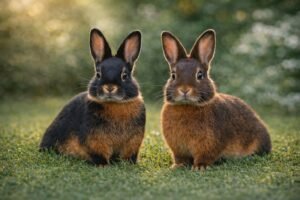
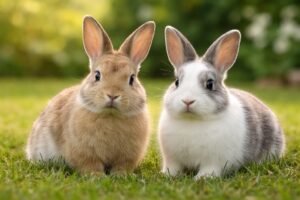
How much hay should a rabbit eat each day? For most healthy adult rabbits, the practical answer is not a tightly measured weight: keep fresh grass hay available at all times and replenish it often enough that it never runs out. As a visual minimum, offer a loose bundle about the rabbit’s body size each day, then top it up as needed. Young, pregnant, nursing, underweight, ill, or senior rabbits may need an individualized feeding plan from a rabbit-savvy veterinarian.
Key Takeaways
- For most healthy adult rabbits, good-quality grass hay should be available at all times; Timothy is one suitable option, not the only one.
- A loose body-sized bundle is a practical daily starting point, not a limit; refill the supply whenever it runs low.
- A clear drop in hay intake—especially with fewer droppings, lethargy, or refusal of other food—needs prompt veterinary advice.
The Short Answer: Hay Should Always Be Available
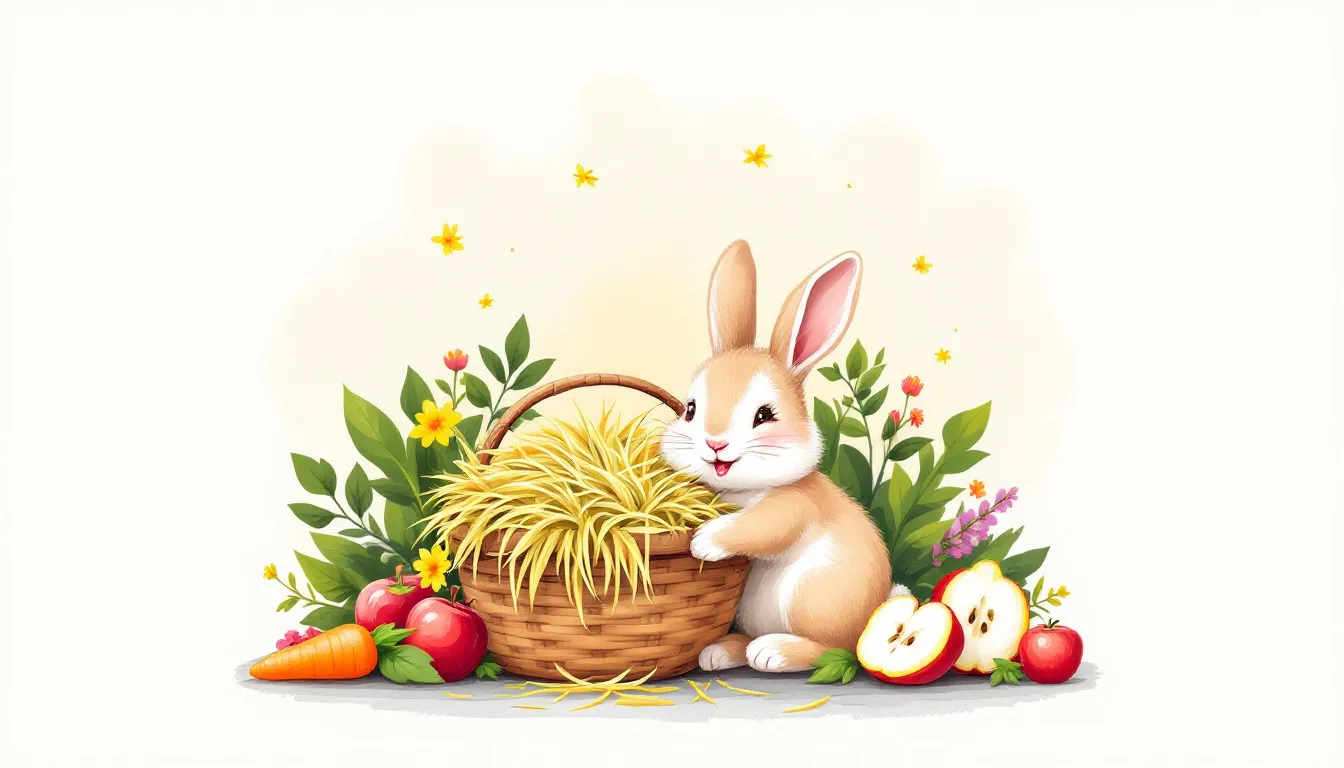
Healthy adult rabbits should have continuous access to grass hay such as Timothy, orchard, or meadow hay. The goal is steady access to long-stem fiber, not a fixed ration that leaves the rack empty.
Chewing fibrous hay supports normal tooth wear, while long fiber supports normal digestive motility. Hay availability lowers diet-related risk, but it does not guarantee that dental disease or gastrointestinal stasis cannot occur.
The recommendation changes with life stage and medical condition. Alfalfa may be appropriate for some growing, nursing, underweight, or recovering rabbits, while most healthy adults are generally fed grass hay. Rabbits with chronic digestive, dental, urinary, kidney, or weight problems need an individualized plan from a rabbit-savvy veterinarian.
How Much Hay Per Day? Use This Practical Guide
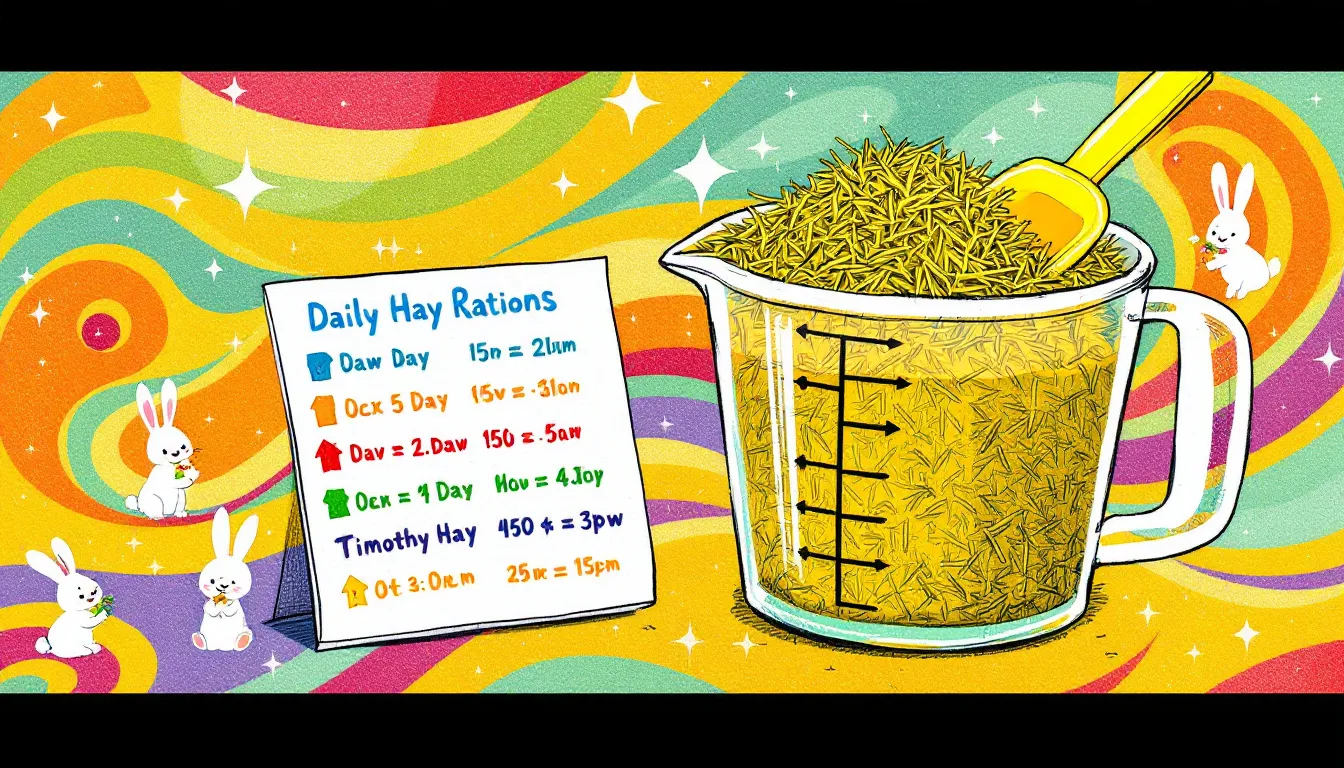
Start each day with at least a loose bundle of hay about the size of your rabbit’s body, but treat that as a minimum visual check—not a daily limit. Refill throughout the day so clean hay remains available at all times. Normal intake varies with body size, age, activity, and the rest of the diet.
It’s also important to monitor your rabbit’s hay intake to ensure they’re consuming enough to stay healthy. A clear drop in hay intake can be a sign of health issues and should be treated as a medical warning rather than assumed to be boredom. If droppings also decrease, your rabbit refuses other food, becomes lethargic, or appears painful, contact a rabbit-savvy veterinarian promptly.
Daily Hay Guide by Life Stage
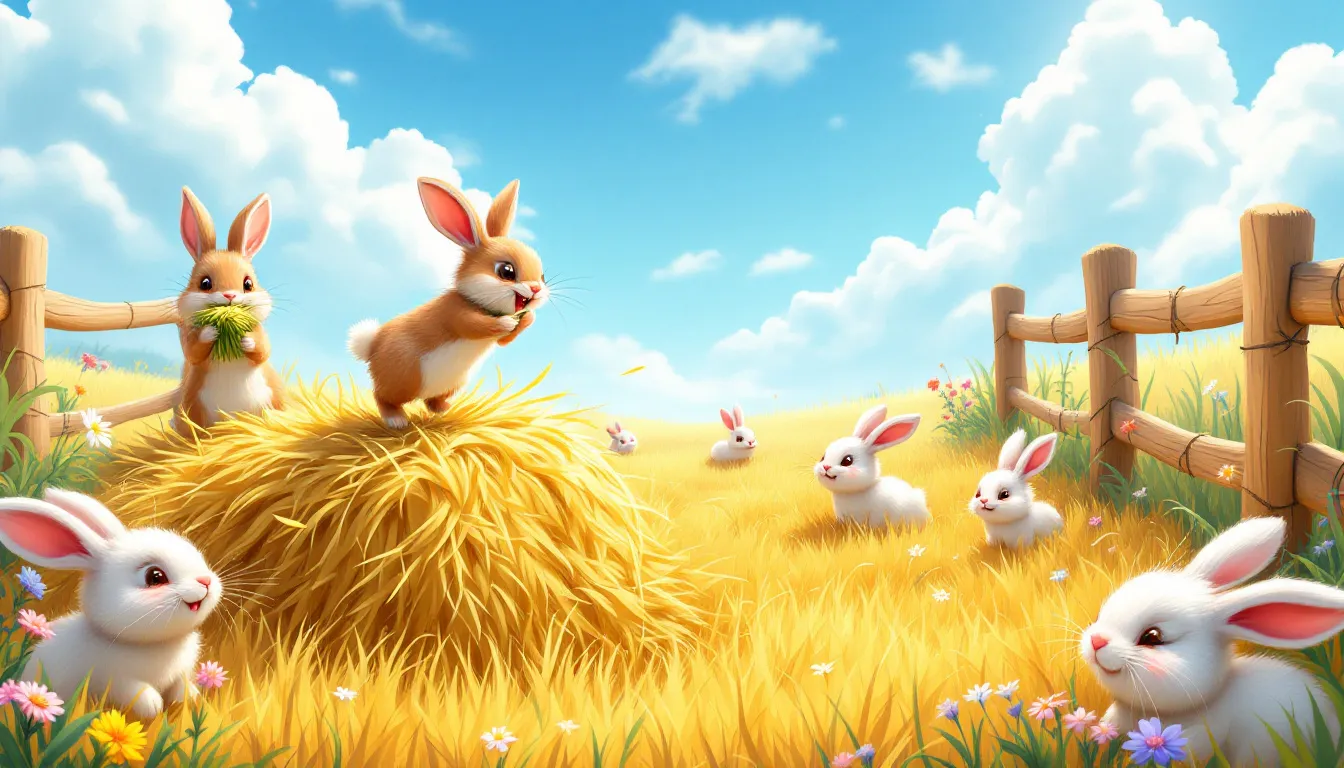
Healthy adult rabbit: offer unlimited grass hay at all times. Timothy, orchard, meadow, oat, or a suitable mix can work, depending on availability and preference.
Growing, pregnant, nursing, underweight, ill, or recovering rabbit: energy and calcium needs may differ. Alfalfa or additional pellets may sometimes be appropriate, but the plan should reflect the individual rabbit and veterinary advice.
Senior rabbit: many seniors continue on unlimited grass hay, but dental disease, weight loss, arthritis, or chronic illness can change what they can eat. Discuss any unexplained change in hay intake or weight with a rabbit-savvy veterinarian.
How to Monitor Whether Your Rabbit Is Eating Enough
Use a simple daily routine instead of relying only on how full the hay rack looks:
- Top up fresh hay at least morning and evening, and never let the supply run out.
- Note the approximate leftover amount and your usual refill pattern.
- Check appetite, water intake, and droppings at least twice daily.
- Weigh your rabbit regularly on an accurate scale and record the trend.
Some waste is normal because rabbits often pull out and sort hay. That is why the body-sized-bundle guideline is a starting reference, not a precise measure of consumption.
Replace hay that is wet, soiled, dusty, or moldy. Store it in a dry, cool, well-ventilated place, and do not seal damp hay in an airtight container.
If hay intake drops suddenly, do not assume boredom or pickiness. Pain and illness are common reasons rabbits stop chewing, so seek prompt veterinary advice rather than waiting for the rabbit to get hungry.
Signs the Daily Hay Routine Is Working
Good signs include frequent hay eating, stable body condition, and plentiful droppings that are consistent for that rabbit. No single stool size or appetite rule fits every rabbit, so learn your rabbit’s normal pattern.
Hay can vary in color and texture by crop and type. Reject hay that is moldy, damp, contaminated, or musty, but do not judge nutrition by a vivid green color alone. For a comparison of Timothy, orchard, meadow, oat, and alfalfa, see our guide to the best types of hay for rabbits.
Timothy Hay Is an Option, Not a Requirement
Timothy is a suitable grass hay for many healthy adult rabbits, but orchard, meadow, brome, oat, or mixed grass hays may also be appropriate. The best choice is safe hay your rabbit will eat consistently.
When changing hay, introduce the new type gradually and monitor appetite and droppings. Do not add calorie-dense alfalfa simply to tempt a healthy adult without considering age, weight, and medical history.
Keep Pellets and Greens in Supporting Roles
For most healthy adults, hay or grass should make up most of the diet. Pellets and leafy greens can complement it, but they should not crowd out hay.
Do not sharply reduce pellets to force a rabbit to eat hay if intake has already fallen. First rule out dental pain or illness with a veterinarian; then make dietary changes gradually.
Pellet and green portions vary with product, body weight, age, and health. Follow a rabbit-savvy veterinarian’s advice and the pellet manufacturer’s guidance instead of relying on one universal cup measurement.
When Reduced Hay Intake Needs a Vet
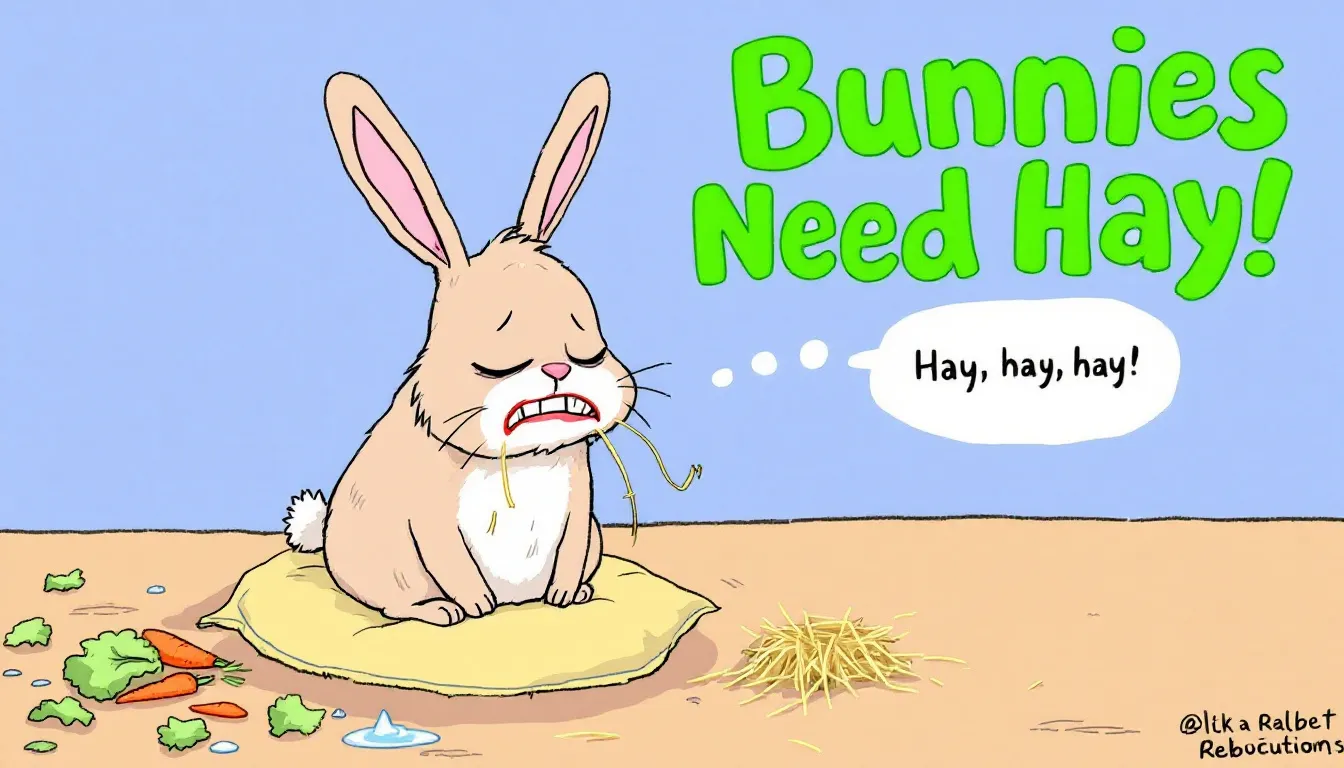
Reduced chewing can be associated with dental disease, mouth pain, gastrointestinal illness, stress, or other medical problems. Hay supports dental and digestive health, but it does not make a rabbit immune to disease.
Contact a rabbit-savvy veterinarian promptly if your rabbit eats much less than normal, refuses food, produces fewer or smaller droppings, seems bloated or lethargic, grinds its teeth in pain, or changes posture. A rabbit that stops eating can deteriorate quickly.
Do not wait for symptoms to resolve by simply offering tastier food. A sudden appetite change is a health signal, not a training problem.
Make Hay Easy to Reach All Day
Place hay where your rabbit naturally spends time, often beside or above the litter area, and provide enough feeding points that bonded rabbits do not need to compete.
Use a rack, basket, or floor pile that allows comfortable access without trapping the rabbit’s head or feet. Keep hay clean and dry, and replace soiled portions.
Enrichment can encourage normal foraging: use plain cardboard tubes, paper bags with handles removed, or several small hay piles. The goal is easy access and interest, not restricting the daily amount.
Tips for Encouraging Picky Eaters to Eat More Hay
If your rabbit suddenly eats less hay, contact a veterinarian before treating it as pickiness. Once health problems are ruled out, try fresher hay, another grass-hay type, different textures or cuts, or placing hay near the litter area.
Refresh small handfuls more often, mix a little familiar grass hay with a new one, and keep pellets and treats measured. Avoid abrupt diet changes, and monitor droppings and body weight during the transition.
Summary
For most healthy adult rabbits, offer unlimited grass hay at all times. A loose body-sized bundle per day is a useful visual minimum, but it is not a cap.
Choose a safe grass hay your rabbit eats consistently, monitor normal appetite, droppings, and weight, and treat a drop in hay intake as a potential medical warning. Individual needs differ by age, condition, and health.
Sources reviewed: Merck Veterinary Manual, Rabbit.org, and RSPCA.
Frequently Asked Questions
How much hay should an adult rabbit eat each day?
Keep grass hay available at all times and offer at least a body-sized bundle each day, topping it up as needed. Do not restrict a healthy adult to that bundle if it eats more.
Can a healthy adult rabbit have too much grass hay?
For most healthy adults, plain grass hay is offered without a fixed upper limit. This does not automatically apply to calorie-dense legume hay such as alfalfa or to rabbits on an individualized medical diet.
Does every rabbit need Timothy hay?
No. Timothy is one suitable grass hay, but orchard, meadow, oat, and other safe grass hays may also work. Consistent hay intake and the overall diet matter more than the name on the bag.
What if my rabbit suddenly stops eating hay?
Seek prompt advice from a rabbit-savvy veterinarian, particularly if other food intake or droppings also decrease. Dental pain and gastrointestinal illness are common concerns.
How do I know if I am offering enough hay?
Hay should still be available between refills. Track your rabbit’s normal appetite, droppings, and weight; a body-sized daily bundle is a practical minimum reference, not an exact consumption target.