Pet shops often sell salt wheels and mineral blocks for rabbits, so it is reasonable to wonder whether they are essential. For most healthy pet rabbits, they are not. This guide explains what an appropriate diet already provides and when a rabbit-savvy veterinarian might advise something different.
Short answer: healthy pet rabbits eating an appropriate diet do not need a salt lick or mineral block. Rabbit.org specifically advises that rabbits do not need salt licks or routine vitamin supplements. Most nutritional needs should be met with unlimited grass hay, suitable leafy greens, a measured amount of complete rabbit pellets, and constant access to fresh water. Use a supplement only when a rabbit-savvy veterinarian recommends one for an individual rabbit.
Key points:
Do not add a salt lick or mineral block to a healthy rabbit’s diet as a routine precaution.
Salt licks mainly provide sodium chloride; mineral blocks vary and may add nutrients the rabbit already receives from food.
Do not rely on a rabbit to self-regulate an unrestricted supplement.
Prioritize grass hay, leafy greens, measured complete pellets, and fresh water.
Ask a rabbit-savvy veterinarian before supplementing a rabbit with a diagnosed illness or unusual diet.
What Minerals and Nutrients Do Rabbits Need for Optimal Health?

Rabbits, being delicate creatures, require a diverse array of essential minerals and nutrients to ensure their optimal health and well-being. Calcium, for instance, plays a crucial role in fortifying bones and teeth, while potassium is vital for facilitating proper muscle function and the transmission of nerve signals. Additionally, magnesium is essential for energy production and promoting healthy bone development in these adorable furry friends.
What are Salt Licks and what do they Contain?
Salt licks are usually blocks or wheels made mainly from sodium chloride. Mineral blocks can contain salt plus added minerals, but their formulas vary by product. They are sold for many animal species, so a product being available in a pet shop does not mean it is necessary or appropriate for a rabbit. A complete rabbit diet is a safer basis for nutrition than allowing unrestricted access to a concentrated supplement.
Do Rabbits in the Wild Need a Salt Lick?
In the wild, rabbits do not have access to salt licks and other minerals. However, they are resourceful creatures and manage to obtain their essential nutrients by consuming a diverse range of plant materials. From leafy greens to twigs, they carefully select and consume a variety of vegetation to meet their dietary needs. This remarkable adaptability allows them to thrive in their natural habitat, finding nourishment from the abundant plant life that surrounds them.
Fresh Water Matters Every Day
Rabbits should have constant access to fresh, clean drinking water whether or not a supplement has ever been offered. A sudden change in drinking, urination, appetite, or droppings is not a reason to add salt; contact a rabbit-savvy veterinarian for individual advice.
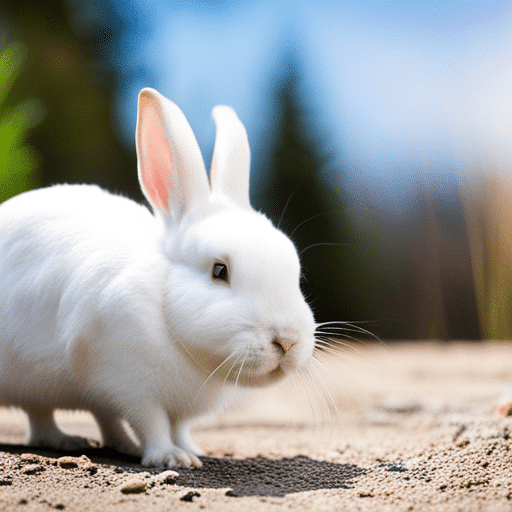
Should You Give a Rabbit a Salt Lick?
For a healthy rabbit on an appropriate diet, the practical answer is no. A salt or mineral block is not needed for tooth wear, enrichment, or routine nutrition. Offer safe chewing and foraging materials instead. If your rabbit has consumed a large amount of a supplement or shows unusual thirst, appetite, urination, or behavior, ask a rabbit-savvy veterinarian what to do.
What can you Give your Rabbit as an Alternative to a Salt Lick to Provide them with the Same Nutrients?
A rabbit does not need a one-for-one replacement for a salt lick. The appropriate alternative is the normal rabbit diet: unlimited grass hay, a varied selection of rabbit-safe leafy greens, a measured portion of complete high-fiber pellets, and fresh water. Carrots and fruit are sugary treats rather than daily mineral sources.
Salt Licks vs. Mineral Blocks
A salt lick mainly supplies sodium chloride, while a mineral block may contain calcium, phosphorus, magnesium, or other ingredients. Neither is routinely required for a healthy pet rabbit eating a suitable diet. Because formulas and concentrations differ, do not treat the two products as interchangeable or combine them to create a supposedly balanced diet.
Can Rabbits Self-Regulate Salt Intake?
Do not use self-regulation as a safety rule. Interest in licking a product does not prove a deficiency, and individual intake is difficult to predict. Provide a balanced diet and remove the guesswork rather than leaving a concentrated supplement available without a veterinary reason.
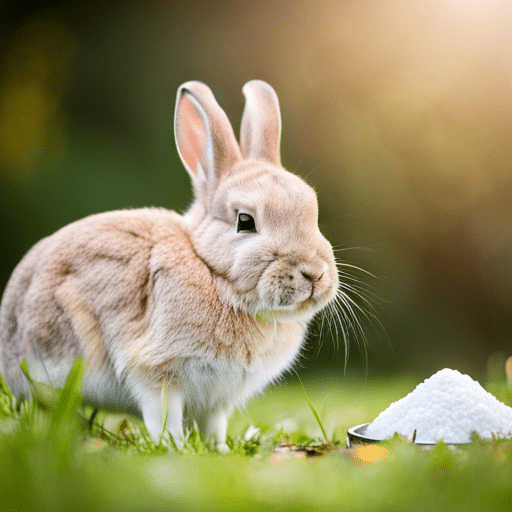
When Might a Supplement Be Appropriate?
A rabbit with a diagnosed illness, an unusual medically managed diet, or a confirmed nutritional deficiency may need individualized supplementation. That decision should come from a rabbit-savvy veterinarian who can assess the rabbit and the rest of the diet. Do not diagnose a deficiency from licking behavior alone.
Frequently Asked Questions
Can I give my rabbit a salt lick?
A healthy rabbit eating an appropriate diet does not need one. If a veterinarian has prescribed a specific supplement, follow that product and dose rather than choosing a generic salt lick.
How much salt should I add to my rabbit’s diet?
Do not calculate and add table salt or use a universal daily sodium number at home. Sodium is already present in foods and complete rabbit pellets, and individual needs depend on the entire diet and the rabbit’s health. Ask a rabbit-savvy veterinarian if there is a medical reason to assess sodium intake.
Can I use a mineral block instead?
Not as a routine substitute. Mineral blocks contain different ingredients and concentrations, and a healthy rabbit should obtain routine nutrition from an appropriate diet rather than unrestricted supplements.
What should my rabbit chew instead?
Provide unlimited grass hay and rabbit-safe enrichment such as untreated willow, apple branches from a pesticide-free source, cardboard, or other items approved for rabbits. A salt block is not needed to wear down teeth.
In Conclusion
Most healthy pet rabbits do not need mineral blocks or salt licks. Build the diet around unlimited grass hay, rabbit-safe leafy greens, a measured amount of complete pellets, and fresh water. If you are concerned about a deficiency, unusual licking, or a health condition, ask a rabbit-savvy veterinarian before adding a supplement.