Can rabbits eat nuts? No, they shouldn’t. Nuts are too rich in fats and can harm your bunny’s health. In this article, we’ll explore the dangers of nuts in a rabbit’s diet and offer healthy feeding alternatives to ensure your pet’s well-being.
Key Takeaways
- Rabbits shouldn’t eat nuts due to high fat and starch content, leading to obesity and digestive problems; a diet based on unlimited grass hay, suitable leafy greens and measured plain pellets is recommended; fruit is an occasional treat.
- Monitoring your rabbit’s eating habits, weight, and health through their diet is essential for their well-being while avoiding foods high in sugar, fat, or toxic substances.
- Enhance your rabbit’s quality of life with feeding enrichment like foraging toys, hiding treats, and creating DIY treats to encourage natural behaviors and provide mental stimulation.
Nuts in a Rabbit’s Diet: Understanding the Risks
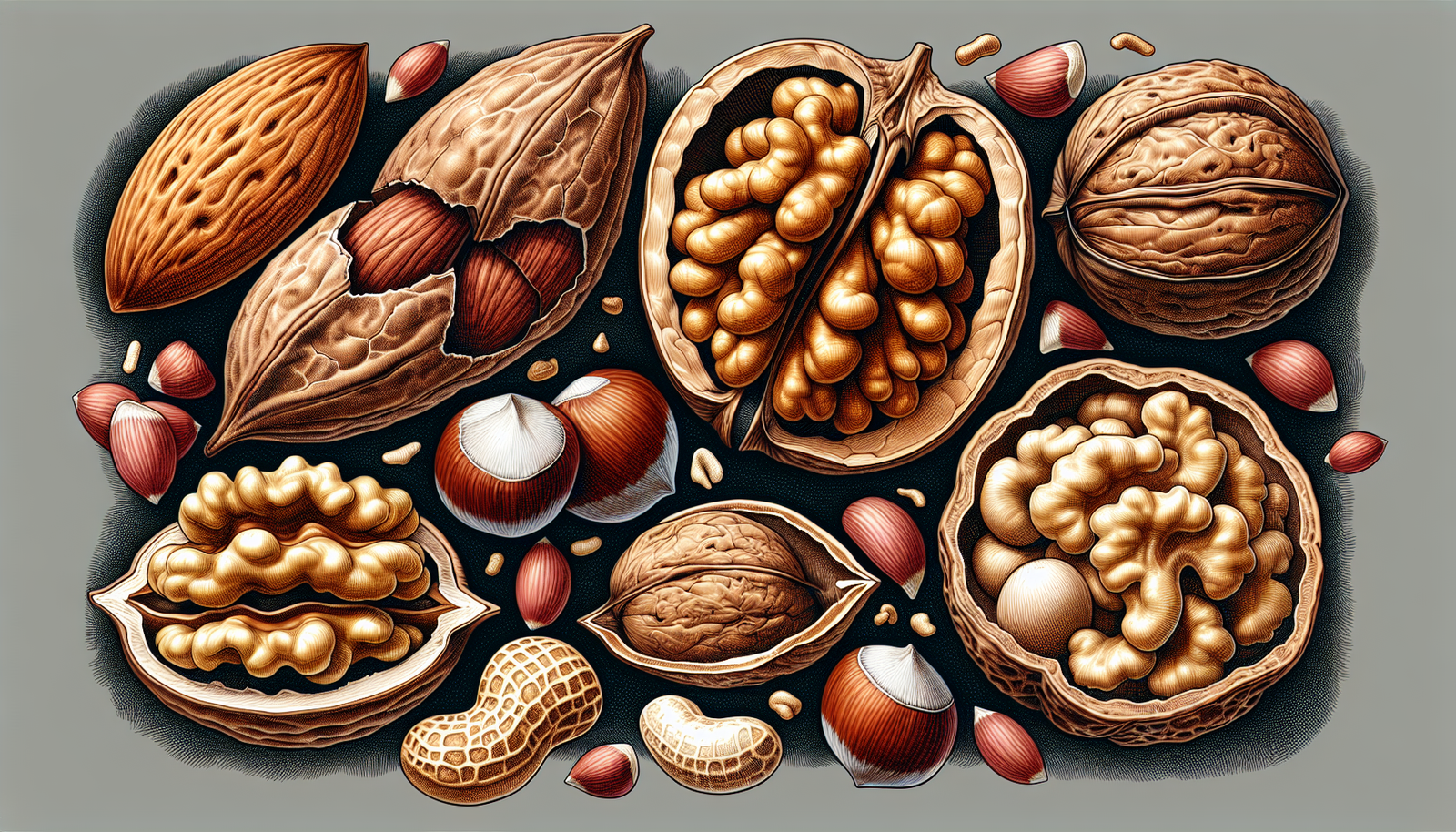
If you’ve ever questioned if rabbits can consume nuts, it’s vital to comprehend the potential risks. While nuts might be a tasty treat for us, they can pose serious health risks to our furry friends. Their high fat and starch content can disrupt a rabbit’s digestive system and lead to obesity.
Bear in mind that the adverse perception of nuts and seeds in a rabbit’s diet originates from their presence in muesli mixes and treat sticks. These food items often contribute to overgeneralized ideas about what’s bad for a bunny’s diet. Like humans, rabbits require a balanced diet free of sudden changes, such as the introduction of nuts, to avoid digestive upset.
The Nutritional Content of Nuts
Nuts are dense in fiber, carbohydrates, and fat, with high caloric content. While these factors may make them a healthy choice for humans to eat nuts, they can pose challenges for our rabbit friends. Nuts, including peanuts sometimes called monkey nuts, do not provide the long-stem fiber rabbits need from hay and are not suitable treats. This can lead to satiety issues and the potential for selective feeding, where rabbits only consume the parts of feed they find most appealing.
Nuts are high in fat and can displace the hay and leafy greens rabbits need; they are not a suitable routine food. Feeding nuts to rabbits can result in these and other health issues, making them a less suitable treatment option.
Potential Health Complications from Nuts
High-fat treats can displace hay and upset the balance of a rabbit’s diet. Avoid offering Brazil nuts or other nuts, and seek veterinary advice if your rabbit becomes unwell after eating an unfamiliar food.
You cannot assess gut bacteria at home. Watch for reduced appetite, smaller or fewer droppings, bloating or lethargy, and contact a rabbit-savvy veterinarian promptly if these occur.
Safe Alternatives to Nuts for Your Bunny
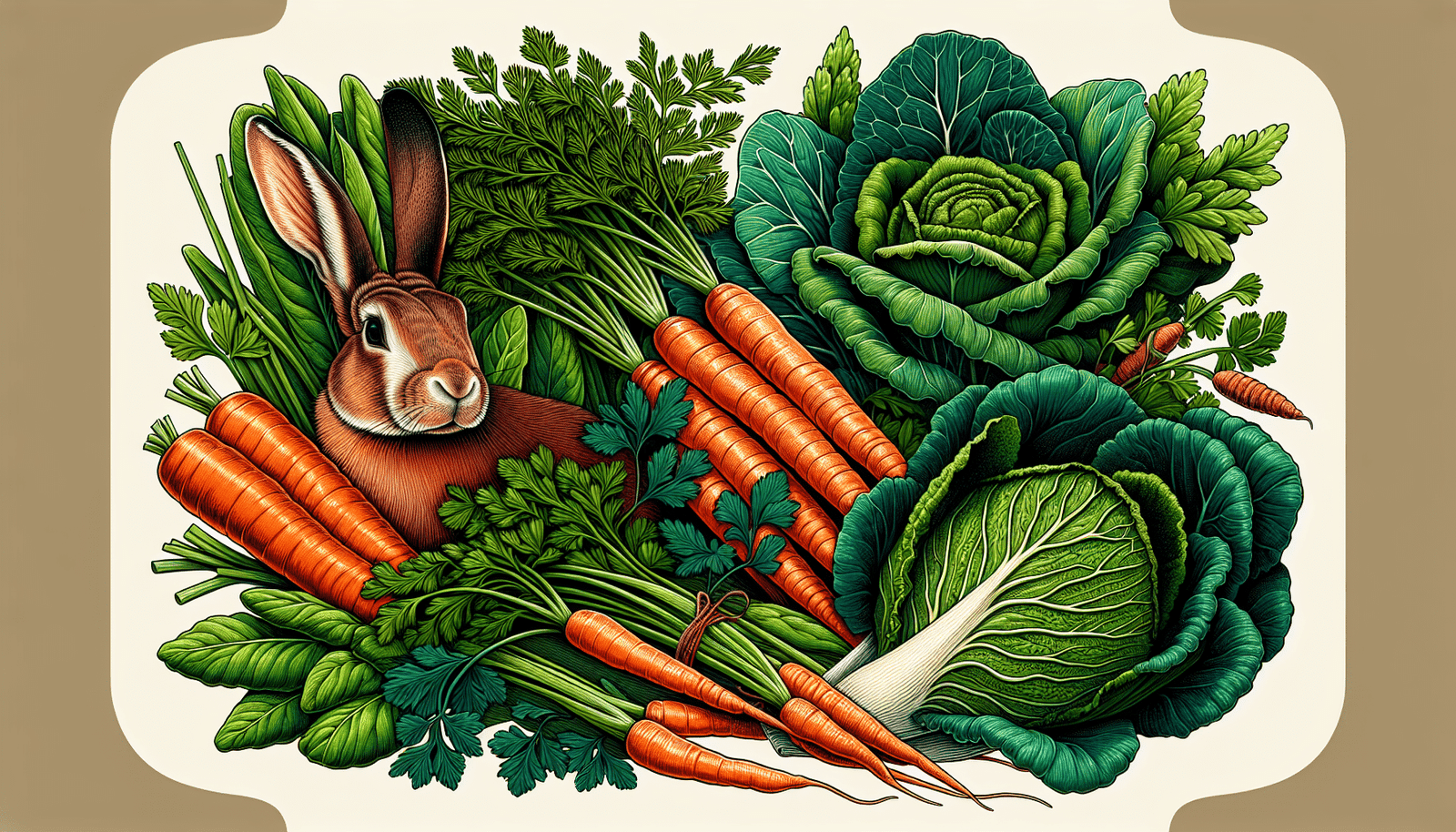
While we’ve established that nuts aren’t the best choice for our rabbit companions, there are plenty of healthy alternatives that they’ll love. Suitable everyday foods and occasional treats include:
- A very small piece of suitable fresh fruit on occasion
- Veggie pieces
- Leafy greens
- Herbs
Giving your rabbit these healthy treats not only provides nutrition but also adds variety to their diet.
One should not forget moderation when dispensing treats. Fruit and other sweet treats should not be a daily serving. Offer only a very small amount occasionally, and ask a rabbit-savvy veterinarian about portions if your rabbit has a health or weight concern. However, the exact quantity can depend on their size, breed, and activity level. Avoid making dried fruit a routine treat; fresh greens are a better everyday complement to hay.
Hay Varieties as Primary Food Source
The primary component of a rabbit’s diet should be hay, which should make up 80-90% of their daily intake. Hay and dried or fresh grass supply the necessary fiber that rabbits require for a balanced diet.
High-quality, sweet-smelling, and dust-free hay not only provides necessary nutrition but also promotes dental health by wearing down their constantly growing teeth. There are several good types of grass hay for rabbits, including:
- timothy
- orchard grass
- brome
- oat hay
These hays provide essential fiber and nutrients for your rabbit’s diet.
Fresh Veggies and Leafy Greens
In addition to hay, fresh veggies and leafy greens are great for a rabbit’s diet. These can include:
- Arugula
- Basil
- Cilantro
- Dill
- Romaine lettuce
- Broccoli
- Cabbage
- Parsley
- Watercress
- Celery leaves
- Kale
- Chickweed
- Bramble
- Raspberry
- Blackberry
- Strawberry leaves
Wash fresh leafy greens before serving them; they do not need to be dried. Root vegetables like carrots should be offered sparingly, focusing on the greens. Iceberg lettuce is low in nutrients; choose more nutritious rabbit-safe leafy greens instead. As always, introducing new vegetables and greens should be done slowly over time to prevent digestive issues.
How to Balance Your Rabbit’s Diet
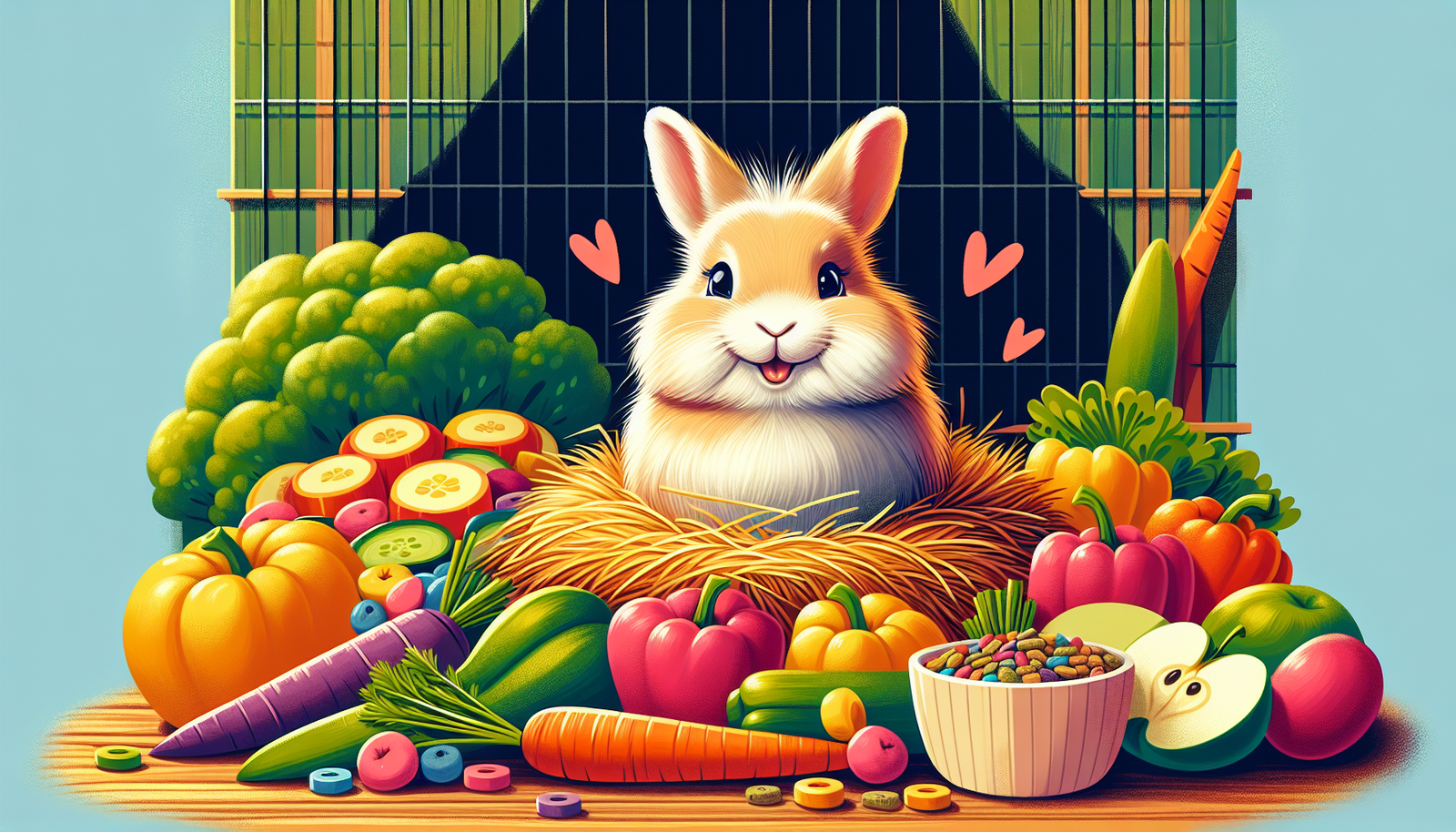
Maintaining a balanced diet for your rabbit is fundamental to their health and well-being. Essential components of a rabbit’s diet include:
- Hay
- Fresh veggies
- A few pellets
The amount of plain, high-fiber pellets depends on a rabbit’s age, size, body condition and the product. Follow feeding directions and a rabbit-savvy veterinarian’s advice rather than using one fixed cup measure for every rabbit.
As rabbits age, their diet needs adjustments. Factors such as size, environment, and activity level can impact the energy they require from their diet. Regular monitoring of a rabbit’s weight and droppings can serve as key health indicators of dietary adequacy, aiding in the early detection of potential problems and maintaining the ideal weight.
Quantity and Frequency of Feeding
You must keep an eye on the quantity of food your rabbit consumes. Overfeeding can lead to obesity, dental, and gut problems. Portion sizes for rabbits should be carefully measured, considering the type of food and the individual rabbit’s weight and age.
Maintaining a regular feeding schedule helps keep rabbits at a healthy weight. Here are some guidelines to follow:
- Fresh foods should be given once a day.
- Hay should be available at all times.
- Resources provided by veterinarians or rabbit care resources can assist owners in determining how much to feed their rabbits.
Importance of Fresh Water
Similar to humans, rabbits must always have access to fresh water. It plays a crucial role in their overall health. There are two common methods for providing fresh water to rabbits: through the use of a water bowl or a metal-tipped water bottle. Both require regular cleaning to ensure the water remains fresh and free from contaminants.
Acknowledging and accommodating a rabbit’s personal preference for a water bowl or bottle is essential to prevent dehydration. So, whether your rabbit prefers to sip from a bowl or a bottle, make sure they always have fresh water at their disposal.
Identifying Unsafe Foods for Rabbits
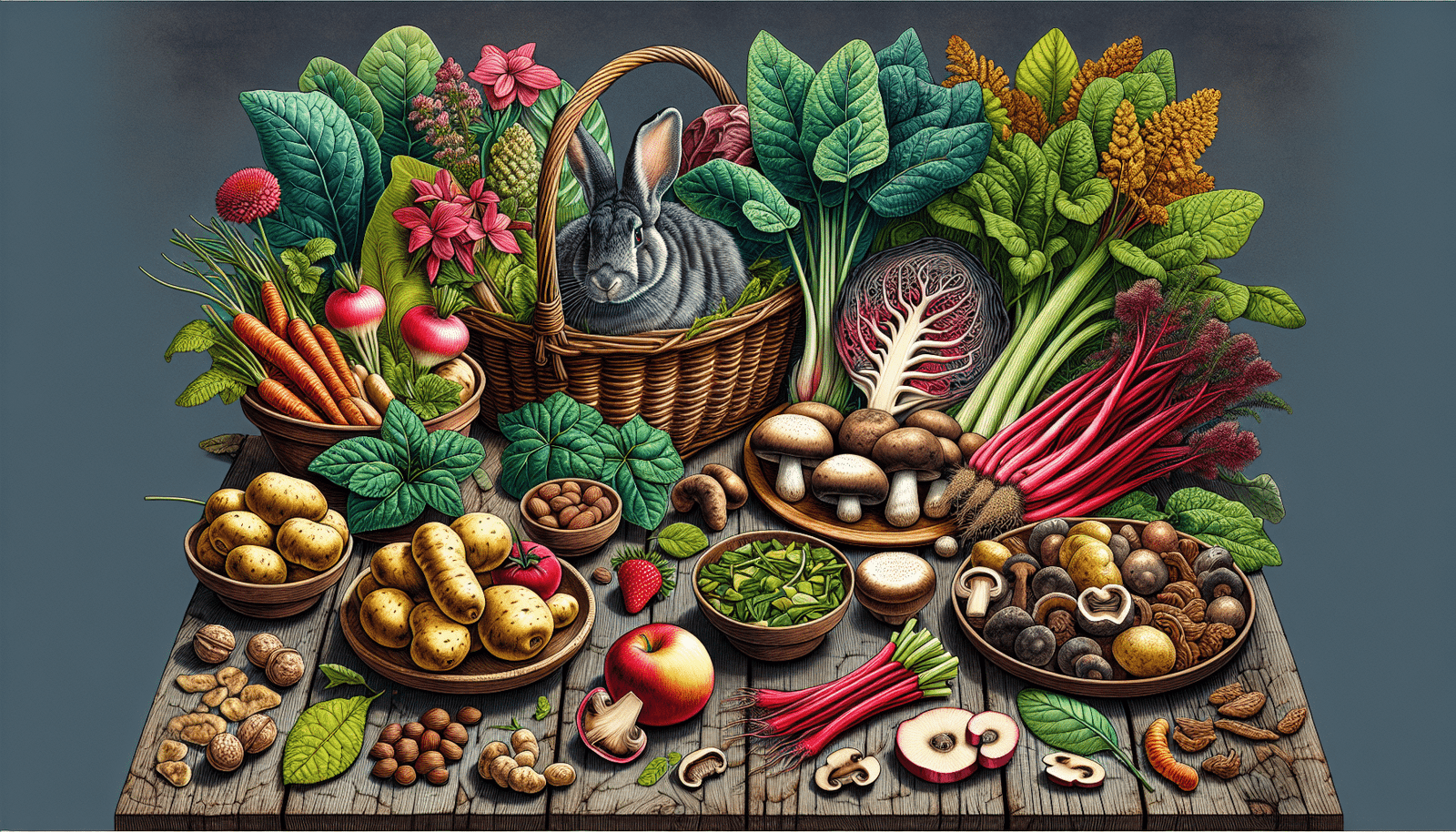
There are also certain foods that rabbits should avoid. Houseplants and garden vegetables can pose significant health risks if ingested by your rabbit. Furthermore, grass from roadsides or lawnmower clippings can lead to contamination.
Some vegetables, such as rhubarb and mushrooms, can cause serious health issues due to the presence of oxalic acid and mycotoxins, respectively. Other foods like potatoes, corn, beans, seeds, and nuts are also not recommended for rabbits due to their potential detrimental effects on rabbit health.
Toxic Plants and Vegetables
Some plants and vegetables contain substances that are poisonous to rabbits and can cause severe health issues or even death. For instance, avocados contain persin, chocolate contains theobromine and caffeine, and fruit seeds and pits from apples and similar fruits contain cyanide. All these substances are toxic to rabbits and should be avoided.
In addition, rabbits should not consume raw allium vegetables like onions, leeks, and garlic. These contain the oxidant n-propyl disulfide which can lead to hemolytic anemia. If a rabbit consumes a toxic substance, immediate veterinary care is crucial to address potential poisoning.
Misleading Treats in Pet Stores
Rabbit caretakers should also be aware of misleading treats sold in pet stores for pet rabbits. Many of these treats can be considered unhealthy foods, as they are high-sugar foods, containing added sugar, preservatives, and artificial coloring, which can be harmful to rabbit health.
Furthermore, commercial ‘rabbit treats’ that contain nuts and seeds are high in fat or carbohydrates and should be completely avoided. Muesli-type mixtures can cause selective feeding in rabbits, leading to an imbalanced diet and potential health issues. Treat sticks, though often marketed for rabbits, contain ingredients like corn, seeds, and nuts in an uncontrolled amount that can be detrimental to rabbit health.
Monitoring Your Rabbit’s Health Through Diet
Monitoring your rabbit’s health requires more than just offering them a balanced diet. It’s also crucial to observe their eating habits and reactions to treats. Notable changes in the amount they eat can be a sign of potential illness.
Frequently weighing rabbits is another vital part of tracking their health. It can help assess any trends in weight change, which could signify underlying health issues potentially linked to their diet.
Regular Weight Checks
Regularly weighing your rabbit is an effective way to detect health issues early and maintain an ideal weight. Rabbits can experience obesity, dental, and gut issues due to an inappropriate diet, highlighting the significance of weight checks.
Consistent weight monitoring helps identify if a rabbit’s diet results in excessive calorie intake, leading to obesity, or insufficient intake, affecting healthy weight maintenance.
Observing Eating Habits
Observing a rabbit’s eating habits can serve as an indicator of their overall health. Any significant changes can suggest the onset of illness. For example, selective feeding, where rabbits only consume the parts of feed they find most appealing, can result in an imbalanced diet.
So, while enjoying the companionship of your house rabbit, don’t forget to pay close attention to their eating habits, as a proper rabbit diet is essential. It’s a simple way to ensure your rabbit eats a healthy diet and to catch any potential problems early.
Enrichment Through Feeding: Keeping Your Rabbit Engaged
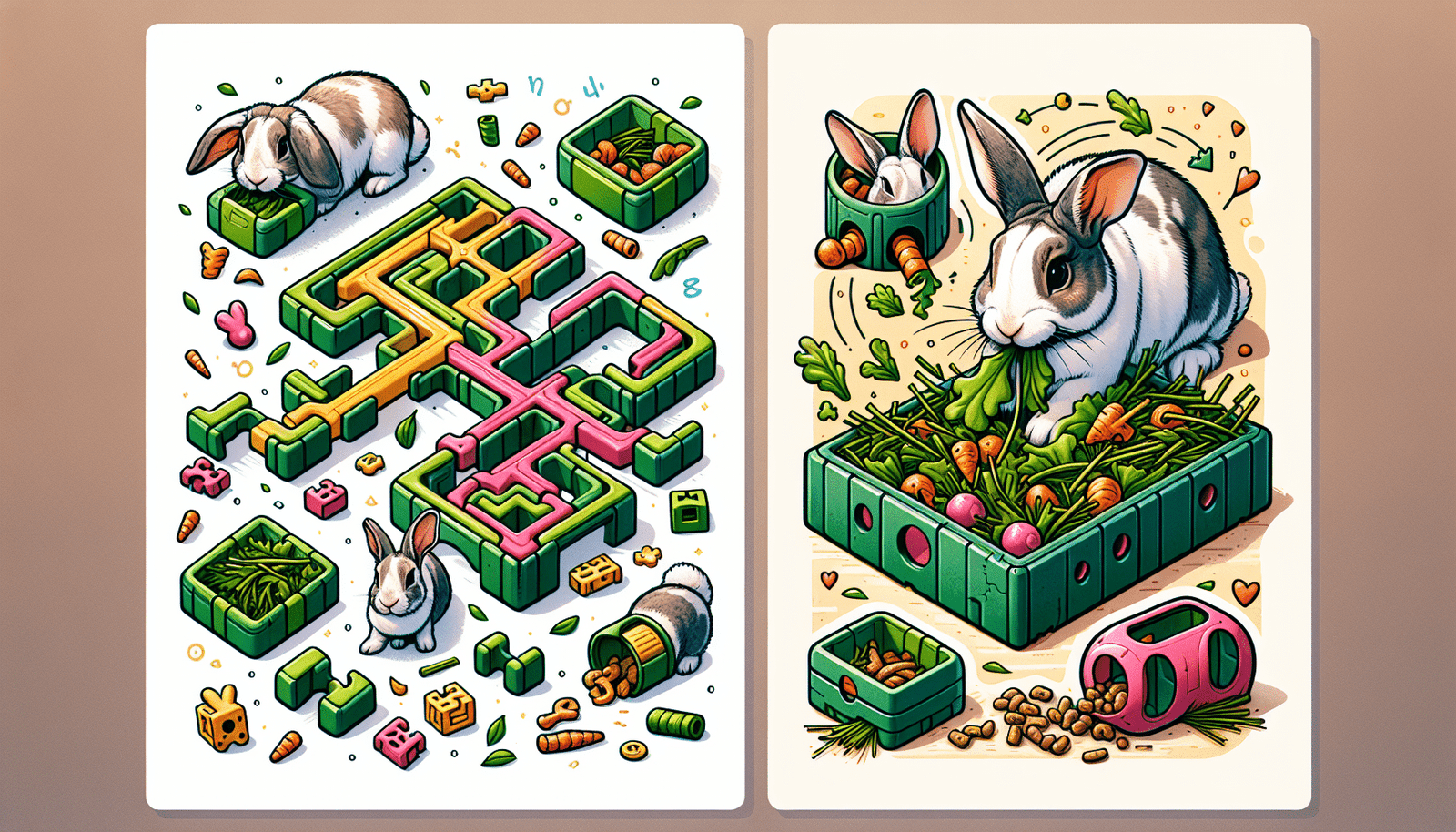
Nourishing your rabbit entails more than merely offering them balanced nutrition. It’s also about keeping them engaged and promoting their natural foraging behavior. Scattering greens and the day’s pellet ration around their living area or hiding food under objects can make feeding time more engaging. Interactive foraging toys can provide mental stimulation for rabbits by encouraging them to work for their treats, which mimics their wild counterparts’ behaviors.
It’s necessary to initially supervise rabbits when using puzzle feeders to guarantee safety and food accessibility. Despite the initial supervision, rabbit owners often find puzzle feeders both entertaining to observe and beneficial for their rabbits’ wellbeing, as they promote enrichment and offer a healthy outlet for consuming energy.
Puzzle Feeders and Foraging Toys
Puzzle feeders and foraging toys are interactive feeding tools that encourage rabbits to work for their food. These include:
- Food balls
- Puzzle feeders
- Mini ‘Kongs’
- Solid wood toys with compartments to open.
These enrichment tools mimic natural foraging behaviors, providing both mental stimulation and physical exercise for rabbits, including wild rabbits. Plus, they’re designed to be safe for daily use, being sturdy and free of sharp edges to prevent injuries.
DIY Treat Ideas
Creating DIY treats with healthy ingredients is another way to engage your rabbit while providing nutritional benefits. Incorporating hay into these treats can help increase their hay consumption, which is beneficial for their digestive health.
Dried herb blends can be used as a tasty and safe ingredient in homemade rabbit treats. Not only do they offer nutritional benefits, but they also provide enrichment for rabbits. Through DIY treats that include healthy ingredients, rabbits can enjoy a varied diet that encourages natural foraging behavior.
Summary
Caring for our rabbit companions involves understanding their unique dietary needs. While they may enjoy sampling a variety of foods, it’s crucial to ensure that their diet is balanced and free from potentially harmful substances. Nuts, although nutrient-dense, can pose risks due to their high fat and starch content.
Instead, provide unlimited suitable grass hay, appropriate leafy greens and herbs, and a measured amount of plain pellets. Fruit is an occasional small treat, not a staple. Feeding your rabbit involves more than just offering them food. It’s about enriching their environment and promoting their natural behaviors. This can be achieved through using puzzle feeders, foraging toys, and DIY treats.
Remember, our furry friends rely on us to provide them with the best care possible. By understanding their dietary needs and monitoring their health, we can ensure that they live happy, healthy lives.
Sources: PDSA rabbit feeding guidance and Rabbit.org diet and nutrition. Individual needs vary; ask a rabbit-savvy veterinarian before making substantial dietary changes, especially for a young, older or unwell rabbit.
Frequently Asked Questions
Can rabbits eat nuts?
No, rabbits should not eat nuts because they can pose serious health risks due to their high fat and starch content. Avoid giving nuts to your pet rabbit.
What should a rabbit’s diet consist of?
An adult rabbit’s diet should center on unlimited grass hay, with suitable leafy greens and a measured amount of plain pellets. Fruit is an occasional small treat.
How can I monitor my rabbit’s health through their diet?
To monitor your rabbit’s health through their diet, pay attention to their eating habits, and how they respond to treats, and regularly check their weight. This will help you assess their overall well-being and catch any potential issues early on.
Are store-bought treats safe for rabbits?
No, store-bought treats are not always safe for rabbits because they often contain harmful additives like sugar, preservatives, and artificial coloring. Be cautious about the treats you choose for your rabbit.