Quick Overview of the Tan Rabbit Breed
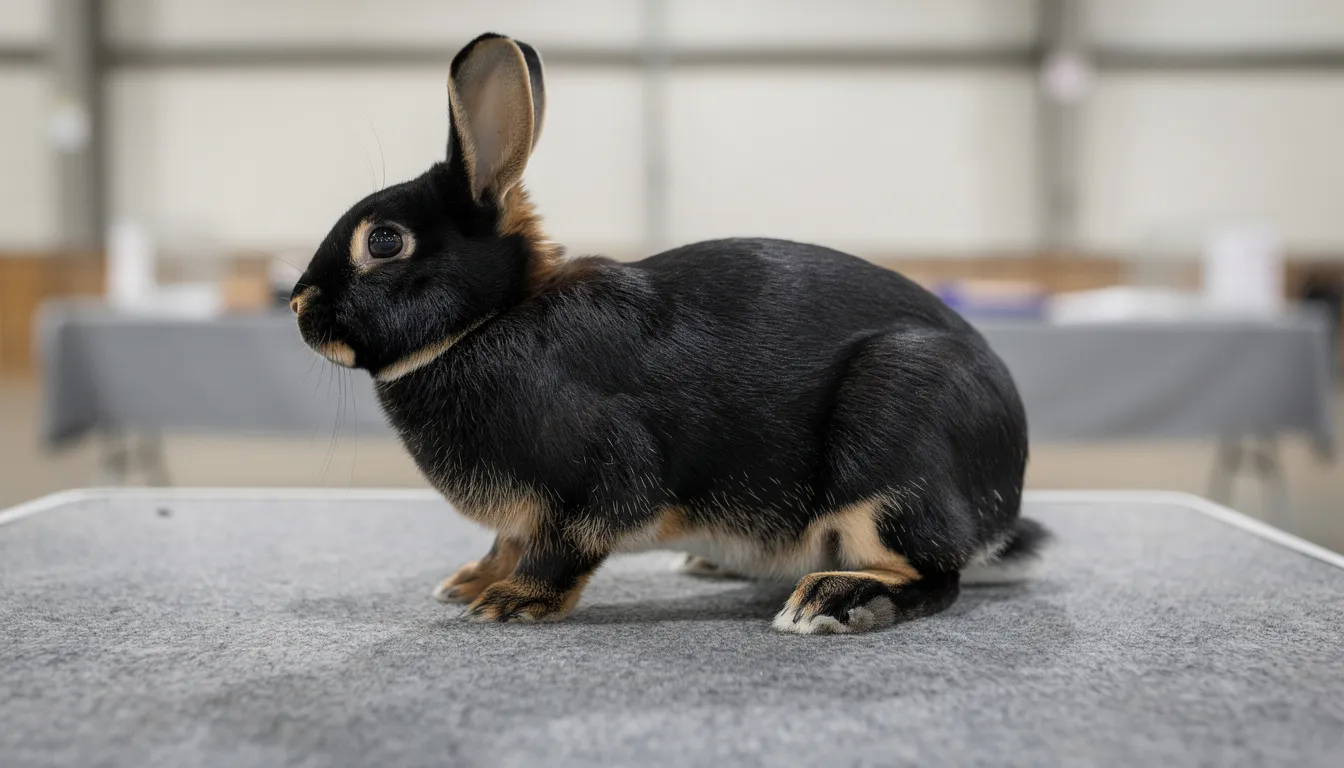
The Tan rabbit is a small, elegant show breed instantly recognizable by its striking two-toned coloration—a rich, solid top coat paired with vibrant rufus (red-orange) markings on the underside, chin, chest, and around the eyes. What makes things interesting in the rabbit world is that “tan” can refer both to this specific breed and to a color pattern that appears in many other breeds, which causes plenty of confusion among new owners.
Here at Rabbit Life Hack, veterinarian Mia Hill focuses on practical, welfare-first advice for pet owners and hobby breeders alike. This article will walk you through everything you need to know about the Tan breed—from its fascinating history to whether one belongs in your home.
Key breed stats:
-
Adult weight: 4–6 lb (1.8–2.7 kg)
-
Lifespan: 8–10 years with proper care
-
Recognized varieties: black, blue, chocolate, and lilac
Tans enjoy strong popularity at shows in the U.S. under ARBA (American Rabbit Breeders Association) and in the U.K. under BRC (British Rabbit Council). However, they’re generally considered a breed for experienced rabbit keepers due to their high activity level, sensitivity to stress, and specific handling requirements.
-
Appearance: Full-arch body type with a sleek, flyback coat and sharp contrast between top color and tan underside
-
Temperament: Lively, curious, intelligent, and active—not a “lap rabbit” but highly engaging
-
Typical use: Primarily shown by breeders and fanciers; can be pets for dedicated owners who appreciate an energetic companion
History and Origin of the Tan Rabbit
The Tan rabbit originated in England in the late 19th century, with the first recognized specimens appearing around 1880. Early fanciers developed the breed—then called “Black ‘n’ Tan”—likely through crossbreeding Dutch-type rabbits with wild or agouti-patterned stock. The result was a compact rabbit with an intense black upper body and rich red-brown underside that caught the attention of the British fancy rabbit community.
By the early 1900s, Tans had become a fashionable show breed, earning the prestigious nickname “Aristocrat of the Fancy” for their elegant bearing and stunning coloration. Early fanciers in Britain formed the first Tan rabbit clubs before World War I, establishing breed standards that would shape the modern Tan.
The transition from the original “Black and Tan” to multiple colour varieties occurred through selective breeding in the early to mid-20th century. Breeders working with dilute genetics produced blue chocolate and lilac varieties, expanding the breed’s appeal while maintaining the signature tan pattern. Today, these four varieties remain the only colors recognized by major registries.
The breed standard and show culture developed under the British Rabbit Council (BRC) first, then spread to North America, where ARBA later recognized Tans as a full-arch running breed. The modern Tan has kept the same basic pattern genetics—the tan gene removing the band from the agouti pattern—but breeders have improved coat color intensity and refined the distinctive arch type over the past several decades.
Appearance and Breed Standard
The Tan is a full-arch, fine-boned rabbit with a sharp color contrast between its top color and underside—a combination that makes it one of the most visually striking domestic rabbits in the show ring. This breed’s sculpted silhouette and glossy coat demand attention, and any article featuring Tans should include plenty of photos showing each color variety and proper side-profile shots.
Body Type
The Tan’s body type is long, racy, and features a pronounced full arch that runs from the neck over the shoulders, midsection, and down through the hips to the tail. Despite their lightweight frame, these rabbits are muscular and athletic. In ARBA shows, Tans are “run on the table,” meaning judges observe them as they move freely to assess the arch in motion rather than posing them statically like many other breeds.
Recognized Colors
The four varieties recognized by ARBA and BRC are:
|
Color |
Top Coat Description |
Tan Marking Shade |
|---|---|---|
|
Black |
Deep, jet black |
Rich rufus red |
|
Blue |
Medium slate blue |
Warm fawn |
|
Chocolate |
Dark, even brown |
Rufus to orange |
|
Lilac |
Pinkish dove-gray |
Light fawn to creamy white |
All tan varieties display vibrant rufus (or fawn, depending on variety) shading on the chin, chest, belly, underside of the tail, eye circles, nostrils, ears, and around the jowls.
Key Pattern Details
-
The demarcation line between the top color and the tan underside should be sharp and clean, running along the chest and sides.
-
Eye circles must be even, distinct, and unbroken.
-
The tail should be two-colored: the top matching the main body color, the underside displayingtana.n
-
Ears should show tan coloring on the inside, de with the main color on the outside.ide
Coat Type
The coat is short, fine, and has a “flyback” texture—meaning it quickly returns to position when stroked backward. Most breeders aim for a glossy, sleek finish that enhances the striking contrast between the two colours.
Show Weight
The ideal show weight falls in the 4–6 lb range, with many competitive show lines producing rabbits around 4.5–5 lb for optimal balance and type. Males (bucks) typically weigh slightly less than females (does).
Color Genetics and the Tan Pattern vs Tan Breed
Here’s where things get confusing for many rabbit owners: “Tan” refers to a specific breed, but “tan pattern” (often called otter) describes a color pattern that appears across many different breeds. Understanding this distinction matters whether you’re browsing rescue listings, shopping for a pet, or considering showing rabbits.
The Three Basic Rabbit Patterns
Rabbit coat patterns fall into three main categories:
-
Agouti – The “wild rabbit” look with banded hair shafts creating a ticked appearance (think Cottontails)
-
Otter/Tan – Solid top color with tan or cream on the underside, chin, and eye circles
-
Self – Solid color throughout with no pattern
The Tan breed expresses the tan (otter) pattern with exceptionally intense rufus coloring—far more vivid than the subtle fawn markings seen on many otter-patterned pet rabbits.
How the Tan Gene Works
Without getting into full genotype charts, the “tan gene” essentially removes the yellow band from the agouti pattern. This leaves the top of the rabbit solid-colored while the belly, chin, chest, and eye circles display the underlying tan pigment. A black otter rabbit, for example, has a black top coat with brown or tan markings on the underside.
Common Confusion
A frequent mix-up happens on forums like r/Rabbits, where owners post photos of their black otter Netherland Dwarf asking if they have a “tan rabbit.” While the coloration is similar, the Tan breed has a completely different arched body type, weighs more, and has specific breed characteristics that set it apart from compact or semi-arch breeds with otter markings.
Quick Comparison:
|
Feature |
True Tan Breed |
Pet Rabbit with Tan/Otter Markings |
|---|---|---|
|
Body type |
Full arch, racy |
Often compact or semi-arch |
|
Weight |
4–6 lb |
Varies widely (2–10+ lb) |
|
Recognized colors |
Black, blue, chocolate, and lilac only |
Many color/breed combinations |
|
Purpose |
Primarily show-focused |
General pets |
|
Common breeds confused |
— |
Netherland Dwarf, Mini Rex, Holland Lop |
Remember: Color alone does not define the breed. Body type, pedigree, and conformance to breed standards determine whether a rabbit is a genuine Tan.
Temperament and Behavior
Tan rabbits are lively, alert, and what many breeders describe as “high-octane” compared with other small breeds. If you’re looking for a calm, cuddly lap rabbit, you might want to keep searching. But if you enjoy active, interactive animals that keep you engaged, a Tan might be exactly what you’re after.
Show Table Behavior
On the show table, Tans are energetic and constantly moving—this is actually desirable since judges need to see the arch in motion. However, this means they require experienced handling to keep them in place during examination. Young or nervous animals may struggle with the show environment initially.
Sex Differences
-
Bucks tend to be very friendly, curious, and people-oriented, often following their owners around and investigating everything.
-
Cats can be more territorial or feisty, especially when unspayed or with babies; females may become aggressive during breeding season.n
The good news? Many do calm significantly after spaying and can become excellent pets if given enough space and enrichment. This reflects Rabbit Life Hack’s welfare-first stance on neutering when appropriate—spaying not only improves temperament but dramatically reduces uterine cancer risk.
Intelligence and Enrichment Needs
Tans are remarkably intelligent and biddable. They can learn to come when called for food and are clean animals that take well to potty training. However, their active minds need stimulation:
-
Provide tunnels, platforms, and safe chew toys
-
Rotate enrichment items to maintain interest
-
Consider training games and clicker training
-
Allow supervised free-roaming time daily
Bored Tans may chew inappropriate items, dig at the flooring, or become nippy. A Tan that loves to “run the room” at dusk—their naturally active time—is a happy Tan.
Housing and Environment Needs
Tans are more active than many small breeds, so housing needs to prioritize running and jumping space rather than just meeting minimum cage size requirements. Think of their enclosure as a bedroom rather than a full-time living space—they need room to sprint and display their natural arch.
Space Requirements
For a single Tan, the absolute minimum enclosure footprint is 3–4 square feet—but this works only as a sleeping area paired with several hours of supervised exercise in a larger, rabbit-proofed space each day. More space is always better.
Common Housing Setups
Show-breeder setups typically use:
-
Wire cages at least 14 inches tall
-
Solid resting boards to protect feet
-
Good ventilation and easy cleaning access
Welfare-oriented recommendations (what Rabbit Life Hack suggests):
-
Larger exercise pens or X-pens as primary housing
-
Attached runs for extended movement
-
Multiple levels and platforms for exercise
Indoor vs Outdoor Housing
|
Factor |
Indoor Housing |
Outdoor Housing |
|---|---|---|
|
Temperature control |
Excellent |
Requires weatherproofing |
|
Predator protection |
High |
Must secure against foxes, raccoons, and dogs |
|
Social interaction |
More daily contact |
May be isolated |
|
Summer safety |
Easier to cool |
Overheating risk |
|
Space potential |
Often limited |
Can be more generous |
Enrichment Ideas
-
Cardboard tunnels and boxes for exploration
-
Platforms and ramps for climbing and jumping
-
Safe chew toys (apple wood, willow, untreated pine)
-
Hide boxes for security
-
Digging boxes filled with paper or hay
Flooring Considerations
Avoid all-wire floors without rest areas—this can lead to sore hocks. Recommended options include:
-
Solid or partially solid floors
-
Absorbent bedding (paper-based or hay)
-
Regular cleaning to prevent ammonia build-up
Diet and Nutrition for Tan Rabbits
Tan rabbits follow the same basic dietary principles as other small breeds, though show and breeding animals may have slightly higher energy needs during heavy use. Getting the diet right supports that glossy coat, maintains proper weight, and prevents the gastrointestinal issues that plague many domestic rabbits.
Daily Diet Composition
Hay (80-85% of diet)
-
Unlimited Timothy or other grass hay as the bulk of the diet
-
Hay should always be available—rabbits need constant fiber intake
-
Orchard grass, meadow hay, and oat hay offer variety
Pellets (5-10% of diet)
-
Roughly 1/4 cup per 5 lb body weight per day for non-breeding adults
-
Choose high-fiber, plain pellets without added treats or seeds
-
Adjust portions based on body condition
Fresh Greens (10-15% of diet)
-
A variety of leafy greens: romaine, cilantro, parsley, dandelion greens
-
Introduce new greens gradually to avoid digestive upset
-
About 1 cup of packed greens per 2 lb body weight daily
Special Dietary Needs
-
Pregnant and nursing does may need increased pellets and slightly higher-calorie support.
-
Overweight pet Tans often need pellets reduced and exercise increased
-
Young rabbits under 6 months can have unlimited pellets; transition to measured amounts gradually
Common Dietary Problems to Avoid
-
Too many sugary treats (carrots, fruit, commercial snacks) leading to obesity and soft stools
-
Sudden diet changestriggerg GI upset
-
Insufficient hay is causing dental issues and gut stasis
-
Contaminated water bowls left unchanged
Vet Tip: Monitor your Tan’s droppings daily. A decrease in fecal pellet size or quantity, or the presence of soft cecotropes left uneaten, often indicates the early stages of gastrointestinal stasis—a potentially life-threatening condition requiring immediate veterinary attention.
Health, Lifespan, and Common Issues
Well-cared-for Tan rabbits typically live 8–10 years, though genetics, nutrition, and housing quality strongly influence outcomes. While Tans aren’t unusually prone to specific genetic diseases, their active nature and show careers can present unique health considerations.
Common Health Concerns
Activity-Related Injuries:
-
Broken tails and torn toenails due to their energetic movement and handling on the show tables
-
Sprains from jumping in confined spaces
-
Injuries from startled bolting
Dental Issues:
-
Dental malocclusion and butting teeth are disqualifications in shows
-
Affected animals should not be used for breeding
-
Regular veterinary dental checks help catch problems early
Reproductive Health (unspayed does):
-
Uterine cancer risk increases significantly after age 3–4 years
-
Spaying eliminates this risk and often improves temperament
Routine Preventive Care
|
Care Task |
Frequency |
Notes |
|---|---|---|
|
Nail trimming |
Every 4–6 weeks |
Prevents snagging and injury |
|
Grooming/body checks |
Weekly |
Check for parasites, wounds, and weight changes |
|
Dental examination |
At vet visits |
Look for overgrown teeth, drooling |
|
Parasite control |
As regionally appropriate |
Discuss with your vet |
Recognizing Illness Early
Watch for these warning signs:
-
Reduced appetite or refusing favorite foods
-
Smaller or absent droppings
-
Hiding or unusual lethargy
-
Tooth grinding (indicates pain)
-
Changes in posture or reluctance to move
-
Nasal or ocular discharge
Rabbit Life Hack encourages all rabbit owners to establish a relationship with a rabbit-knowledgeable veterinarian before emergencies arise. While we provide general guidance, nothing replaces individualized veterinary care for your specific rabbit.
Breeding Tan Rabbits Responsibly
Tans are generally bred by experienced fanciers focused on show quality, and Rabbit Life Hack does not encourage casual breeding due to the substantial work and welfare responsibilities involved. Breeding rabbits means committing to proper care for does, kits, and finding appropriate homes for all offspring.
Litter Expectations
Typical litter size averages around 4 kits. Many established Tan lines are robust with relatively few hereditary defects when carefully selected, but poor management can still produce health and temperament issues. Does can become pregnant again immediately after giving birth, making responsible breeding management essential.
Selecting Breeding Stock
Responsible breeders evaluate potential stock based on:
Type and Color:
-
Correct full-arch body type that shows well in motion
-
Strong, intense rufus color on tan markings
-
Clean demarcation between the top color and the underside
Health History:
-
No malocclusion or dental problems
-
No chronic GI issues
-
No repeated reproductive problems in does
-
Sound structure without injuries
Temperament:
-
Stable, manageable personality
-
Especially important in what is used for breeding
-
Avoid breeding animals that are excessively nervous or aggressive
Environmental Needs for Breeding Does
-
Quiet, low-stress housing away from foot traffic
-
Secure nest boxes were provided several days before kindling
-
Minimal disturbance in the first days after birth to reduce kit losses
-
Adequate nutrition and fresh water
Show Disqualifications vs Genetic Faults
Breeders track several disqualifications:
-
Split penis (genetic, should not breed)
-
Butting teeth (genetic, should not breed)
-
Wrong eye color (genetic)
-
Broken tails or pulled teeth (often traumatic, may not affect genetic merit, but do affect show eligibility)
Welfare must always be prioritized over show success. A rabbit with a traumatic injury deserves care regardless of its futureshowingw potential.
Planning for Offspring
Before breeding, plan ahead for placing pet-quality offspring in good homes. Consider:
-
Written agreements outlining care expectations
-
Providing education on Tan care to new owners
-
Being available for questions after placement
-
Having a take-back policy so that owners can no longer keep the rabbit
Showing and Judging Tan Rabbits
Tan rabbits are classified as a “running breed” in ARBA shows, meaning they’re judged as they move freely on the show table rather than being posed statically. This allows judges to assess the arch, balance, color, and markings as the rabbit displays its natural movement—and it’s what makes showing Tans such a dynamic experience.
How Tans Are Judged
The ARBA Standard of Perfection assigns points across several categories:
|
Category |
Approximate Points |
Key Elements |
|---|---|---|
|
Body type |
25 |
Full arch, balance, bone |
|
Color |
20-25 |
Intensity, evenness |
|
Markings |
15-20 |
Eye circles, chest line, tail |
|
Fur/Condition |
15 |
Flyback, density, sheen |
|
General appearance |
Variable |
Overall impression |
The body alone accounts for a significant portion of scoring because the arch fundamentally defines the breed. A rabbit with perfect color but poor type will not place well.
Preparing a Tan for Show
Handling and Conditioning:
-
Regular handling so the rabbit is confident on the table
-
Practice running on surfaces similar to the show tables
-
Acclimate young rabbits to travel and new environments
Grooming:
-
Nail trimming before every show
-
Ear and eye cleaning
-
Gentle coat grooming for a sleek finish
Show Day Care:
-
Careful transport in secure, ventilated carriers
-
Appropriate housing at shows to minimize stress
-
Pre-show health checks to catch any issues
Disqualifications
Common non-genetic disqualifications include:
-
Broken or kinked tails
-
Ripped or missing toenails
-
Visible injuries or illness
-
Evidence of pulled teeth or dental damage
These emphasize why pre-show health checks matter—discovering a problem at the show table is frustrating for everyone.
Breed Organizations
In the U.S., the ARBA and the American Tan Rabbit Specialty Club (ATRSC) support breed-specific awards, national conventions, and breeder education. In the U.K., the BRC and National Tan Rabbit Club play similar roles.
Show Classes
Tans compete in typical show classes:
-
Junior – Younger rabbits under a certain age
-
Senior – Adults at full maturity
-
Buck/Doe – Separated by sex within age classes
Best of Breed and Best in Show awards are determined at large all-breed shows and national conventions, where top Tans from across the country compete.
Finding a Tan Rabbit and Choosing Between Show and Pet
High-quality Tan rabbits can be challenging to find, depending on your region, and most are purchased directly from breeders rather than pet stores. If you’re serious about finding a genuine Tan, you’ll need to do some homework.
Reputable Sources
-
American Tan Rabbit Specialty Club (ATRSC) breeder directories
-
National Tan Rabbit Club (U.K.) member lists
-
ARBA or BRC shows where you can meet breeders in person
-
Local rabbit clubs that may know Tan breeders in your area
Avoid impulse purchases from unverified online ads—many “Tan rabbits” sold casually are actually otter-patterned mixed breeds or poorly bred stock.
Questions to Ask Breeders
When contacting a breeder, come prepared with questions:
-
What lines does this rabbit come from? Have relatives been shown successfully?
-
What is the rabbit’s health history? Any known genetic issues?
-
How would you describe this rabbit’s temperament?
-
Is this rabbit suited as a show prospect, brood animal, or pet only?
-
Do you offer support after purchase if I have questions?
Understanding Quality Categories
|
Category |
Description |
Typical Use |
|---|---|---|
|
Show prospect |
Excellent type, color, and markings |
Competition, potentially breeding |
|
Brood quality |
Good genetics, minor cosmetic faults |
Breeding to improve lines |
|
Pet quality |
Healthy but has faults (uneven eye circles, color issues) |
Companion only, should be spayed/neutered |
For example, a rabbit with slightly uneven eye circles or a less-than-perfect arch might be pet-quality only but could make a wonderful companion.
Who Should Consider a Pet-Quality Tan?
For most Rabbit Life Hack readers, a well-socialized pet-quality Tan—or even a tan-patterned mixed breed—may be a better choice than a high-strung show rabbit. This is especially true for:
-
Families with young children
-
First-time rabbit owners
-
Those without interest in showing
-
People with limited time for intensive handling
Adoption Options
Shelters and rescues sometimes have tan-patterned rabbits labeled as “Tan” even when they’re not the pure breed. Don’t dismiss these animals—focus on health and temperament first. A friendly, well-adjusted rabbit with otter markings may bring you just as much joy as a pedigreed show champion.
Is a Tan Rabbit Right for You?
The Tan rabbit offers a unique combination: striking appearance, lively personality, and engaging show potential that few other breeds can match. But this “Aristocrat of the Fancy” isn’t for everyone. Their high activity levels, sensitivity to stress, risk of injuries, and relative scarcity make them best suited for experienced, dedicated rabbit keepers.
Consider your situation honestly:
|
Factor |
Good Fit for Tans |
May Want to Reconsider |
|---|---|---|
|
Experience |
Previous rabbit ownership |
First-time rabbit owner |
|
Daily time |
Several hours for interaction/exercise |
Minimal daily availability |
|
Space |
Room for free-roaming exercise |
Small apartment, no exercise area |
|
Veterinary access |
Rabbit-savvy vet nearby |
Limited exotic pet care options |
|
Interest level |
Fascinated by showing or active breeds |
Prefer a calm, cuddly companion |
Before bringing home any rabbit—Tan or otherwise—explore our other Rabbit Life Hack articles on rabbit housing, behavior, and health to prepare thoroughly. Understanding what rabbits need before adoption prevents heartbreak for both you and the animal.
If you’re still curious about whether a Tan rabbit fits your lifestyle, or if you have specific questions about Tan care and rabbit welfare, subscribe to the Rabbit Life Hack newsletter for regular tips and guidance. You can also reach out through our contact form to ask veterinarian Mia Hill your questions directly.
The Tan rabbit rewards engaged owners with personality, beauty, and endless entertainment. For the right person, there’s simply nothing quite like them.